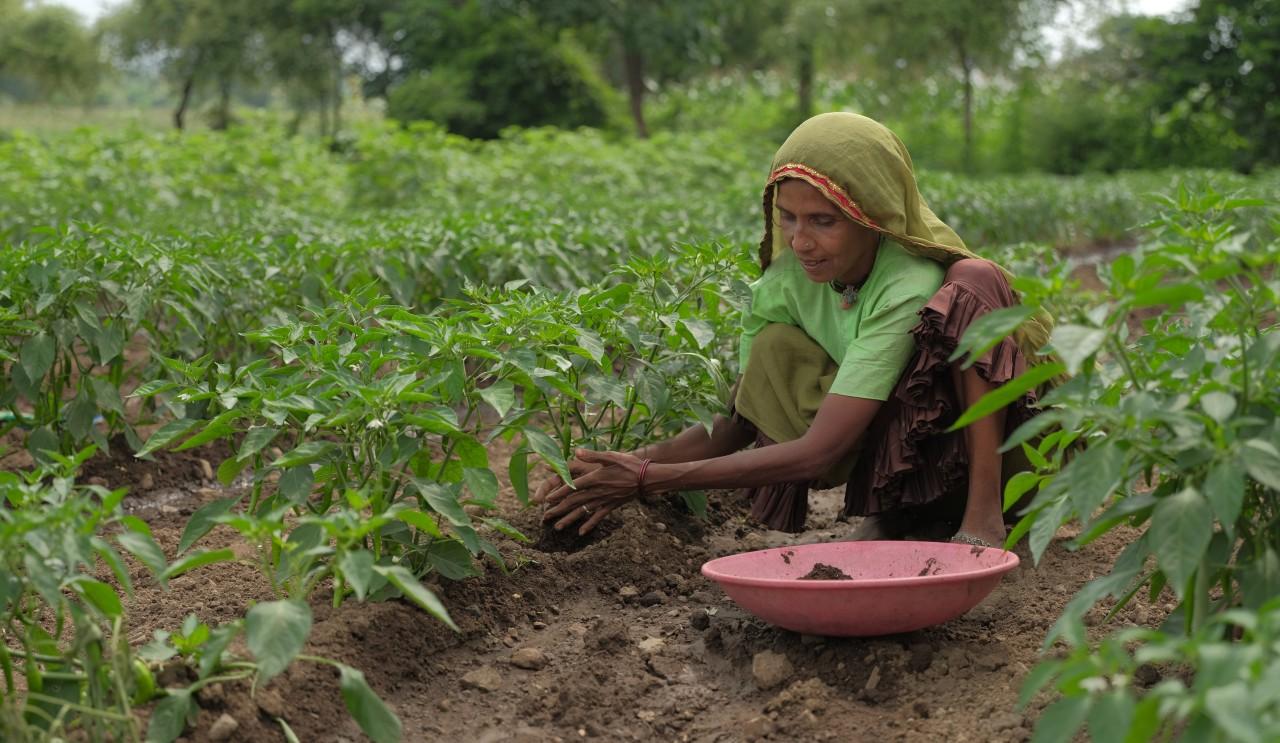
Climate change is transforming agriculture at an unprecedented pace. Rising temperatures, unpredictable rainfall, extreme weather events, soil degradation, and increasing pest pressures are creating significant challenges for global food production. At the same time, the world’s population is projected to approach 10 billion people by 2050, increasing demand for nutritious and affordable food.
The challenge is clear: humanity must produce more food while using fewer natural resources and adapting to a changing climate. Scientists, agricultural experts, and policymakers are responding with innovative solutions that include climate-resilient crops, sustainable farming practices, advanced technologies, and alternative food sources.


The Growing Threat of Climate Change to Food Security
Food security exists when people have reliable access to sufficient, safe, and nutritious food. Climate change threatens all four pillars of food security:
1. Reduced Agricultural Productivity
Increasing temperatures can reduce crop yields by disrupting plant growth cycles. Crops such as wheat, maize, and rice are particularly sensitive to heat stress during flowering and grain development stages.
Heat waves can cause:
- Lower yields
- Reduced nutritional quality
- Increased crop failures
- Higher water requirements
2. Water Scarcity
Agriculture consumes approximately 70% of global freshwater resources. As droughts become more frequent and severe, farmers face growing difficulties in maintaining productivity.
Regions already vulnerable to water shortages are experiencing:
- Falling groundwater levels
- Reduced irrigation capacity
- Competition for water resources
- Increased production costs
3. Extreme Weather Events
Floods, hurricanes, wildfires, and storms are becoming more destructive. These events can destroy crops, livestock, infrastructure, and supply chains within days.
Examples include:
- Flooded farmlands
- Soil erosion
- Livestock losses
- Food transportation disruptions
4. Emerging Pests and Diseases
Warmer climates allow insects, fungi, and plant pathogens to expand into new regions. Farmers increasingly face challenges from pests that were previously uncommon in their areas.
Developing Climate-Resilient Crops
One of the most promising scientific approaches involves breeding crops capable of withstanding climate-related stresses.
Drought-Tolerant Crops
Researchers are identifying genes that help plants survive under limited water conditions.
Examples include:
- Drought-resistant maize varieties
- Water-efficient rice strains
- Heat-tolerant wheat cultivars
These crops maintain productivity even during prolonged dry periods, reducing the risk of crop failure.


Gene Editing and Biotechnology
Modern gene-editing technologies such as CRISPR Gene Editing enable scientists to precisely modify plant DNA.
Potential benefits include:
- Enhanced drought resistance
- Improved heat tolerance
- Increased disease resistance
- Better nutrient efficiency
Unlike traditional breeding, gene editing can accelerate crop improvement while targeting specific traits.
Salt-Tolerant Crops
Sea-level rise and irrigation practices are increasing soil salinity in many agricultural regions.
Researchers are developing:
- Salt-tolerant rice
- Salinity-resistant wheat
- Salt-adapted vegetables
These innovations may allow productive farming on lands previously considered unsuitable.
Nutritionally Enhanced Crops
Climate stress can reduce nutrient content in crops. Scientists are addressing this issue through biofortification.
Examples include:
- Vitamin A-enriched rice
- Iron-rich beans
- Zinc-enhanced wheat
These crops help combat malnutrition while maintaining resilience against environmental stress.
Sustainable Farming Methods
Improving crop genetics alone is not enough. Sustainable agricultural systems are equally important.
Regenerative Agriculture
Regenerative agriculture focuses on restoring soil health while improving productivity.
Core practices include:
- Cover cropping
- Reduced tillage
- Crop rotation
- Compost application
Benefits include:
- Greater soil carbon storage
- Improved water retention
- Reduced erosion
- Enhanced biodiversity
Healthy soils are more resilient to drought and extreme weather.
Precision Agriculture
Precision farming uses advanced technologies to optimize agricultural inputs.
Key tools include:
- GPS-guided machinery
- Drones
- Soil sensors
- Artificial intelligence
Farmers can apply water, fertilizers, and pesticides exactly where needed, reducing waste and environmental impact.


Conservation Agriculture
Conservation agriculture aims to protect soil structure and ecosystem health.
Its principles include:
- Minimal soil disturbance
- Permanent soil cover
- Diverse crop rotations
Research shows these practices can improve long-term productivity while reducing greenhouse gas emissions.
Agroforestry
Agroforestry combines trees with crops or livestock systems.
Benefits include:
- Carbon sequestration
- Improved soil fertility
- Wind protection
- Enhanced biodiversity
Trees can also help farmers diversify income sources through fruits, nuts, timber, and other products.
The Role of Technology in Future Food Systems
Technological innovation is rapidly transforming food production.
Artificial Intelligence in Agriculture
AI systems analyze large datasets to support decision-making.
Applications include:
- Yield prediction
- Disease detection
- Weather forecasting
- Irrigation management
Farmers can respond more quickly to changing conditions and improve resource efficiency.
Robotics and Automation
Agricultural robots can perform tasks such as:
- Planting
- Weeding
- Harvesting
- Monitoring crop health
Automation may help address labor shortages while increasing efficiency.
Digital Agriculture Platforms
Cloud-based systems provide farmers with real-time information regarding:
- Weather conditions
- Pest outbreaks
- Market prices
- Soil health
Access to timely information improves resilience and profitability.
Alternative Food Sources for a Growing Population
Researchers are exploring entirely new ways to produce food with lower environmental impacts.
Plant-Based Proteins
Plant-based meat alternatives are gaining popularity due to their lower resource requirements.
Common protein sources include:
- Peas
- Soybeans
- Lentils
- Chickpeas


Compared with conventional livestock production, plant-based proteins generally require:
- Less land
- Less water
- Lower greenhouse gas emissions
Cultivated Meat
Cultivated meat is produced by growing animal cells in controlled environments.
Potential advantages include:
- Reduced land use
- Lower environmental impact
- Improved animal welfare
- Consistent production
Although still expensive, technological advances are gradually reducing costs.
Insect Protein
Insects represent a highly efficient protein source.
Examples include:
- Crickets
- Mealworms
- Black soldier fly larvae
They require significantly fewer resources than traditional livestock and can convert feed into protein very efficiently.
Algae and Seaweed
Microalgae and seaweed offer promising alternatives for future food systems.
Benefits include:
- Rapid growth rates
- Minimal land requirements
- High nutritional value
- Carbon capture potential
Researchers are exploring their use in foods, animal feed, and nutritional supplements.
Reducing Food Waste
Food security is not only about producing more food; it also involves reducing losses.
Approximately one-third of food produced globally is lost or wasted.
Strategies include:
- Improved storage technologies
- Better transportation systems
- Smart packaging
- Consumer education
- Supply chain optimization
Reducing waste could significantly increase food availability without expanding agricultural land.
Policy and Global Collaboration
Scientific innovations require supportive policies and international cooperation.
Governments can promote food security through:
- Agricultural research funding
- Climate adaptation programs
- Sustainable land management policies
- Farmer education initiatives
- Infrastructure investments
International organizations, research institutions, and private companies must work together to scale successful solutions.
Notable contributors include organizations such as Food and Agriculture Organization, Consultative Group on International Agricultural Research, and the World Food Programme.
Conclusion
Climate change presents one of the greatest challenges to global food security in modern history. Rising temperatures, water scarcity, extreme weather, and shifting disease patterns threaten agricultural productivity across the world. However, scientific innovation is providing powerful tools to address these challenges.
Climate-resilient crops, gene editing, regenerative agriculture, precision farming, artificial intelligence, and alternative protein sources are reshaping how food can be produced in a warmer and more crowded world. Combined with efforts to reduce food waste and strengthen international cooperation, these solutions offer a pathway toward a more resilient and sustainable food system.
The future of food security will depend not on a single breakthrough but on the integration of many scientific advances working together. By investing in innovation today, humanity can build agricultural systems capable of feeding future generations while protecting the planet’s ecosystems and natural resources.