

Introduction
The internet has transformed the way people access health information. With just a few clicks, individuals can learn about symptoms, treatments, nutrition, mental health, and medical breakthroughs from anywhere in the world. While this unprecedented access to information has many benefits, it also comes with a serious challenge: health misinformation.
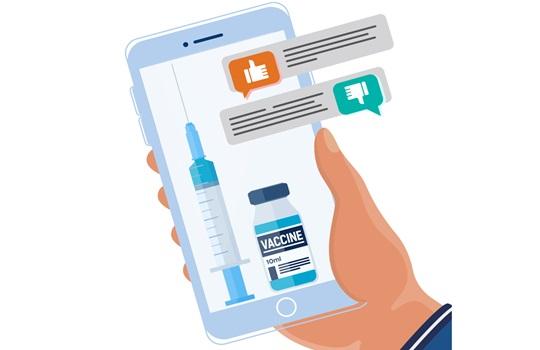
Health misinformation refers to false, inaccurate, misleading, or unverified health-related information that can influence people’s medical decisions and behaviors. In recent years, public health experts have increasingly recognized misinformation as a major threat to global health. From vaccine myths and miracle cures to misleading nutrition advice and conspiracy theories, inaccurate health information can spread rapidly through social media, messaging apps, video platforms, and online communities.
The consequences can be severe. Individuals may delay medical treatment, refuse vaccinations, adopt dangerous remedies, or lose trust in healthcare professionals. As a result, governments, researchers, healthcare organizations, and technology companies are investing heavily in new strategies to identify, counter, and prevent health misinformation.
One of the most promising developments is the use of artificial intelligence (AI) to detect false health claims at scale. Combined with community-based education programs and digital literacy initiatives, AI is becoming an important tool in protecting public health in the digital age.
Understanding the Health Misinformation Crisis
The rise of social media has fundamentally changed how information spreads. Traditional media outlets once served as primary gatekeepers of information, but today anyone can publish content online and reach a large audience.
While this democratization of information has advantages, it also allows misinformation to spread quickly.
Common forms of health misinformation include:
- False claims about vaccines
- Unproven medical treatments
- Misleading dietary advice
- Fake health supplements
- Incorrect disease prevention methods
- Conspiracy theories about healthcare institutions
- Misrepresentation of scientific research
The challenge is not simply that misinformation exists. The real problem is how rapidly it spreads compared to verified information.
Studies have repeatedly shown that emotionally charged content often receives more engagement than evidence-based explanations. Posts that trigger fear, anger, surprise, or curiosity are more likely to be shared, regardless of accuracy.
As a result, misinformation can reach millions of people before experts have an opportunity to respond.
Why Health Misinformation Spreads So Easily
1. Emotional Appeal
Many misleading health claims are designed to provoke strong emotional reactions.
Headlines such as:
- “Doctors Don’t Want You to Know This Secret Cure”
- “One Natural Ingredient Eliminates Disease Overnight”
- “Government Cover-Up Revealed”
often attract attention because they create urgency and curiosity.
People are naturally drawn to information that promises simple solutions to complex health problems.
2. Confirmation Bias
Individuals tend to favor information that supports their existing beliefs.
For example, someone skeptical about vaccines may be more likely to trust content that reinforces their concerns while dismissing scientific evidence that contradicts them.
3. Information Overload
The internet generates enormous volumes of content every day.
Many users struggle to determine:
- Which sources are credible
- Which experts are trustworthy
- Which studies are scientifically valid
This information overload creates opportunities for misinformation to thrive.
4. Social Sharing
People frequently share health-related content with friends and family because they genuinely want to help others.
Unfortunately, misinformation often spreads through well-intentioned sharing rather than deliberate deception.
Real-World Consequences of Health Misinformation
Health misinformation is not merely an online problem. It can have serious real-world consequences.
Reduced Vaccination Rates
Vaccine misinformation has contributed to declining immunization rates in some regions.
When communities experience lower vaccination coverage, outbreaks of preventable diseases can occur.
Delayed Medical Care
Some individuals may choose internet-based remedies instead of consulting healthcare professionals.
Delaying treatment can worsen medical conditions and reduce the effectiveness of interventions.
Dangerous Self-Treatment
False claims about miracle cures or alternative treatments may encourage people to use ineffective or potentially harmful substances.
Increased Public Anxiety
Constant exposure to alarming health misinformation can create fear, confusion, and uncertainty.
This can negatively affect mental health and public trust.
Strain on Healthcare Systems
When misinformation spreads during public health emergencies, healthcare organizations must dedicate additional resources to correcting false claims and educating the public.
The Role of Artificial Intelligence in Fighting Health Misinformation
One of the most significant developments in recent years is the use of artificial intelligence to detect and combat misinformation.
AI systems can process vast amounts of online content much faster than human analysts.
AI-Powered Monitoring
Modern AI tools can analyze:
- Social media posts
- News articles
- Online forums
- Videos
- Blogs
- Public comments
to identify potentially misleading health information.
These systems continuously monitor emerging trends and help experts respond quickly.
Natural Language Processing
Natural Language Processing (NLP) is a branch of AI that enables computers to understand human language.
NLP systems can:
- Detect misleading claims
- Analyze sentence context
- Compare statements with verified medical sources
- Identify recurring misinformation patterns
This technology allows health organizations to track misinformation more effectively than ever before.
AI-Based Fact-Checking Systems


Fact-checking has traditionally relied on teams of researchers and experts.
While human expertise remains essential, AI can dramatically accelerate the process.
AI fact-checking systems can:
Verify Claims Against Trusted Sources
AI tools can compare health statements with information from:
- Medical journals
- Healthcare organizations
- Research databases
- Clinical guidelines
This helps identify inconsistencies and unsupported claims.
Detect Viral Misinformation
AI can recognize when certain false narratives begin gaining popularity online.
This allows health agencies to intervene before misinformation becomes widespread.
Provide Real-Time Alerts
Some platforms are exploring systems that automatically flag questionable health claims and direct users to reliable information sources.
Improve Content Moderation
Technology companies are using AI to identify misleading content that may require further review by human moderators.
Community-Based Solutions Are Equally Important
Although AI is powerful, experts emphasize that technology alone cannot solve the misinformation problem.
Human trust remains critical.
Local Health Ambassadors
Many public health organizations are partnering with trusted community members, including:
- Physicians
- Nurses
- Pharmacists
- Teachers
- Religious leaders
- Community advocates
These individuals often have established relationships within their communities and can communicate health information more effectively.
Grassroots Education Programs
Community-based education programs help individuals develop critical thinking skills and evaluate information sources more carefully.
Participants learn how to:
- Verify claims
- Identify credible sources
- Recognize misinformation tactics
- Understand scientific evidence
These skills provide long-term protection against misinformation.
Public Engagement
Rather than simply correcting false information, many organizations now focus on building meaningful dialogue with communities.
Listening to concerns and answering questions respectfully often proves more effective than simply presenting facts.
The Importance of Digital Health Literacy
Digital health literacy refers to a person’s ability to find, understand, evaluate, and use online health information.
Improving digital health literacy is one of the most sustainable strategies for combating misinformation.
Key skills include:
Source Evaluation
People should consider:
- Who created the content?
- What evidence supports the claim?
- Is the source reputable?
- Are experts involved?
Cross-Verification
Health information should be confirmed through multiple trusted sources before being accepted as accurate.
Understanding Scientific Research
Basic knowledge of scientific methods helps individuals recognize the difference between credible research and misleading claims.
Recognizing Manipulation Techniques
Many misinformation campaigns use:
- Fear-based messaging
- Emotional language
- Cherry-picked evidence
- Conspiracy narratives
Recognizing these tactics reduces susceptibility to misinformation.
Challenges Facing AI Detection Systems
Despite remarkable progress, AI systems face several limitations.
Medical Complexity
Health information often involves nuance and uncertainty.
AI may struggle to distinguish between:
- Legitimate scientific debate
- Preliminary research findings
- Deliberate misinformation
Rapidly Changing Information
Medical knowledge evolves constantly.
During emerging health situations, scientific understanding can change quickly, making automated verification difficult.
Multiple Languages and Cultures
Health misinformation spreads globally across diverse languages and cultural contexts.
AI systems must be trained to recognize regional variations and local communication styles.
Privacy Concerns
Monitoring online conversations raises important questions about privacy and responsible data use.
Organizations must balance public health goals with individual rights.
Future Innovations in Misinformation Detection


Researchers are developing increasingly sophisticated solutions.
Predictive AI Models
Future systems may identify misinformation trends before they become viral.
By recognizing early warning signs, health organizations can respond proactively.
Personalized Health Information
AI-powered assistants may eventually provide personalized, evidence-based guidance tailored to individual needs.
Network Analysis
Advanced analytics can help researchers understand how misinformation spreads through social networks.
This information can improve intervention strategies.
Global Collaboration Platforms
International cooperation between governments, healthcare institutions, researchers, and technology companies will likely play a major role in future misinformation prevention efforts.
What Individuals Can Do
Every person has a role in reducing the spread of misinformation.
Before sharing health-related content, consider the following:
Verify the Source
Look for information from trusted healthcare organizations, medical institutions, and licensed professionals.
Read Beyond Headlines
Misleading headlines often exaggerate findings or remove important context.
Check Publication Dates
Outdated health information may no longer reflect current scientific understanding.
Consult Healthcare Professionals
Medical decisions should be based on advice from qualified healthcare providers rather than social media posts.
Think Before Sharing
A few moments spent verifying information can help prevent misinformation from reaching others.
Conclusion
Health misinformation has emerged as one of the most significant public health challenges of the digital era. The rapid spread of false medical information can influence personal decisions, undermine trust in healthcare systems, and contribute to negative health outcomes across entire communities.
Fortunately, researchers, healthcare organizations, and technology companies are responding with innovative solutions. Artificial intelligence is enabling faster detection of misleading content, while community-based initiatives and digital literacy programs are helping people develop the skills needed to navigate today’s complex information landscape.
The future of public health will depend not only on medical advances but also on the quality and reliability of the information people receive. By combining AI-driven tools, trusted healthcare expertise, public education, and community engagement, society can build a stronger defense against misinformation and create a healthier, more informed future for everyone.