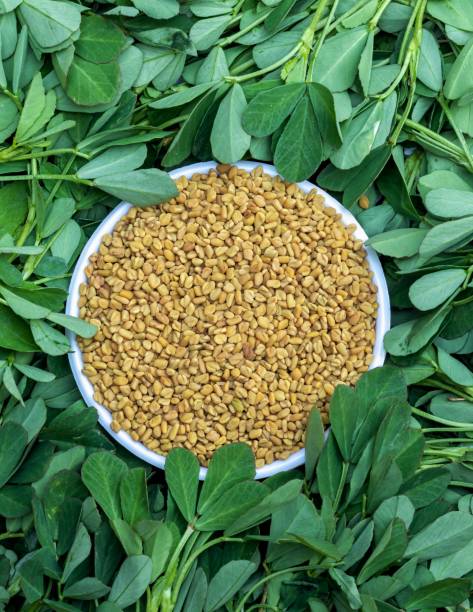
Fenugreek leaves, popularly known as methi, are a flavorful and nutritious leafy green widely used in Indian cooking. With their slightly bitter taste and distinctive aroma, fresh methi leaves can add depth to curries, parathas, dals, vegetables, and many other dishes. Beyond their culinary appeal, methi can contribute useful fiber, vitamins, minerals, and plant compounds to a varied and balanced diet.
Unlike fenugreek seeds, which are commonly used as a spice, fenugreek leaves are eaten as a vegetable or herb. They can be incorporated into everyday meals without requiring complicated preparation. From a simple methi dal to nutritious methi roti, there are plenty of easy ways to enjoy them. 🌱


🌱 What Are Fenugreek Leaves?
Fenugreek, scientifically known as Trigonella foenum-graecum, is a plant belonging to the legume family. Both its seeds and leaves are used in cooking and traditional food practices.
Fresh fenugreek leaves are small, green, and delicate, with three-part leaflets. Their flavor is distinctive: slightly bitter, earthy, and pleasantly aromatic. When cooked with ingredients such as garlic, ginger, cumin, tomatoes, potatoes, or yogurt, the bitterness becomes milder and creates a rich savory flavor.
Methi is particularly popular in Indian cuisine. It appears in dishes such as:
- 🫓 Methi paratha
- 🍛 Methi dal
- 🥔 Aloo methi
- 🥣 Methi curry
- 🥬 Methi vegetable stir-fries
- 🥛 Methi-based yogurt preparations
- 🌾 Methi roti
- 🍚 Methi rice
Fresh methi is different from kasuri methi, which consists of dried fenugreek leaves. Both provide characteristic fenugreek flavor, but fresh methi has a different texture and contributes water and nutrients as a leafy vegetable.
🥗 Nutritional Value of Methi Leaves
Adding leafy vegetables to meals is a simple way to increase dietary variety. Methi provides several nutrients, although the exact nutritional content depends on factors such as freshness, serving size, and preparation method.
1. Dietary Fiber 🌾
One of the valuable features of leafy greens such as methi is their contribution to dietary fiber.
Fiber supports normal digestive function and can contribute to feelings of fullness. A diet containing adequate fiber from vegetables, fruits, whole grains, legumes, nuts, and seeds is generally beneficial for overall health.
Because methi can be combined with other high-fiber foods, it works especially well in balanced meals.
For example, a meal containing:
Methi + dal + whole-grain roti + vegetables
provides a combination of fiber, protein, carbohydrates, vitamins, minerals, and plant compounds.
2. Iron ⚡
Fenugreek leaves contain iron, a mineral required for normal red blood cell formation and oxygen transport.
However, plant-based iron is non-heme iron, which is generally absorbed less efficiently than heme iron from animal foods. Pairing plant foods containing iron with vitamin-C-rich foods can help support iron absorption.
Try combining methi with:
🍋 Lemon
🍅 Tomatoes
🥭 Guava
🌶️ Bell peppers
🥦 Broccoli
For people concerned about iron deficiency, methi should complement—not replace—medical evaluation and a broader iron-rich diet.
3. Calcium 🦴
Methi leaves can contribute calcium to the diet. Calcium is important for normal bones and teeth and also participates in muscle contraction and nerve signaling.
Including a variety of calcium-containing foods—such as dairy products, fortified foods, tofu, certain greens, nuts, and seeds—can help create a more reliable overall calcium intake.
4. Vitamin A-Related Carotenoids 👀
Green leafy vegetables commonly contain carotenoid pigments, including compounds related to vitamin A activity.
Vitamin A is important for normal vision, immune function, and maintenance of tissues.
Adding colorful vegetables and leafy greens to meals is therefore a practical way to increase exposure to a variety of plant compounds.
5. Vitamin C 🍋
Fresh leafy greens can contribute vitamin C, although cooking and storage can affect vitamin C levels.
Vitamin C has several important roles, including supporting normal immune function and collagen formation. It also helps increase absorption of non-heme iron when consumed alongside plant-based iron sources.
Adding lemon juice to cooked methi is therefore useful for both flavor and nutrition.
6. Folate 🥬
Leafy vegetables can contribute folate, a B vitamin involved in DNA synthesis and cell division.
Folate is particularly important during periods of rapid growth and pregnancy, although everyone needs adequate amounts as part of a balanced diet.
💚 Potential Benefits of Including Methi in a Balanced Diet
Methi should not be viewed as a miracle food or a treatment for disease. Instead, its value comes from how it contributes to an overall healthy eating pattern.
🌾 1. Supports a Fiber-Rich Diet
Fiber is one of the most important reasons to regularly include vegetables and plant foods.
Methi can be combined with whole grains and legumes to create fiber-rich meals. For example, methi dal with whole-wheat roti provides a much more substantial nutritional profile than consuming methi alone.
A varied fiber intake can support digestive health and help maintain a healthy eating pattern.
🍽️ 2. May Help Make Meals More Satisfying
Leafy greens generally add volume and texture without requiring large amounts of calories.
Methi can be cooked with vegetables, lentils, beans, or whole grains to create filling meals. Pairing it with protein and fiber-rich ingredients can make a meal more satisfying.
For example:
Methi + chickpeas + vegetables + whole-grain roti
creates a balanced plate containing plant protein, fiber, complex carbohydrates, and micronutrients.
🦠 3. Supports Digestive Health Through Fiber
Dietary fiber helps support normal bowel function. However, increasing fiber suddenly can cause gas or bloating in some people.
If your current diet is low in fiber, increase leafy greens, vegetables, legumes, and whole grains gradually while drinking adequate fluids.
💪 4. Adds Micronutrient Variety
No single vegetable contains every nutrient the body needs.
That’s why variety is important.
Rotating methi with spinach, mustard greens, coriander, amaranth, drumstick leaves, cabbage, carrots, beans, and other vegetables exposes the diet to a broader range of nutrients and plant compounds.
🌿 5. Adds Flavor Without Heavy Sauces
Methi has a strong natural flavor, which means you don’t need excessive amounts of rich sauces to make a dish interesting.
Garlic, ginger, cumin, coriander, green chili, tomato, and lemon work particularly well with methi.
This makes it easier to create flavorful meals using moderate amounts of oil and salt.
🍃 Methi and Digestion
Methi’s fiber content makes it an interesting addition to a digestion-friendly diet.
Fiber contributes bulk to stool and supports normal bowel movements. However, digestive health depends on many factors, including hydration, physical activity, overall diet, and individual tolerance.
Some people may experience gas or bloating after eating larger quantities of leafy vegetables, particularly if they are not accustomed to high-fiber foods.
Simple tips for comfortable digestion:
💧 Drink enough fluids.
🥗 Increase fiber gradually.
🍲 Cook methi thoroughly if raw greens cause discomfort.
🌾 Combine methi with different sources of fiber.
🚶 Stay physically active.
If persistent digestive symptoms occur, it’s better to speak with a healthcare professional rather than assuming that methi is the solution.
🥘 Simple and Healthy Methi Recipes
One of the best things about methi is its versatility. You can use it in breakfast, lunch, dinner, and even snacks.
🫓 1. Healthy Methi Paratha
Methi paratha is one of the most popular ways to enjoy fresh fenugreek leaves.
Ingredients
- 2 cups whole-wheat flour
- 1 cup finely chopped fresh methi
- 1 green chili, finely chopped
- ½ teaspoon cumin
- ½ teaspoon turmeric
- ½ teaspoon coriander powder
- Salt to taste
- Water as required
- Small amount of oil or ghee for cooking
Method
Wash the methi thoroughly and chop it finely.
Combine wheat flour, methi, spices, green chili, and salt.
Add water gradually and knead into a soft dough.
Allow the dough to rest for approximately 10–15 minutes.
Divide it into small portions and roll into thin parathas.
Cook on a hot tawa using a moderate amount of oil or ghee.
Serve with plain yogurt and fresh vegetables.
🥗 Healthy Tip
Instead of using a large amount of ghee, use a small amount of oil and serve the paratha with protein-rich yogurt.
🥔 2. Aloo Methi
Aloo methi combines potatoes with fragrant fenugreek leaves.
Ingredients
- 3 medium potatoes
- 2 cups chopped methi
- 1 teaspoon oil
- ½ teaspoon cumin
- 1–2 green chilies
- 2 garlic cloves
- ½ teaspoon turmeric
- ½ teaspoon coriander powder
- Salt to taste
- Lemon juice
Preparation
Peel and cube the potatoes.
Heat oil in a pan and add cumin.
Add chopped garlic and green chili.
Add potatoes, turmeric, coriander powder, and salt.
Cover and cook until the potatoes become tender.
Add chopped methi and cook until the leaves wilt and become tender.
Finish with lemon juice.
🍋 The lemon adds freshness and complements the slightly bitter flavor of methi.
For a more balanced meal, serve a moderate portion of aloo methi alongside dal, yogurt, and whole-grain roti.


🥣 3. Methi Dal
Methi dal combines leafy greens with protein-rich lentils, making it a practical everyday meal.
Ingredients
- 1 cup toor dal or moong dal
- 1–2 cups chopped methi
- 1 tomato
- ½ teaspoon turmeric
- 1 green chili
- Salt
- 1 teaspoon oil
- ½ teaspoon mustard seeds
- ½ teaspoon cumin
- 2 garlic cloves
- 1 dried red chili
- A pinch of asafoetida
Method
Cook the dal with tomato, turmeric, green chili, and water until soft.
Mash the cooked dal lightly.
Heat oil in a small pan.
Add mustard seeds and cumin.
Once they crackle, add garlic, dried chili, asafoetida, and methi.
Cook briefly until the methi wilts.
Add the tempering to the cooked dal.
Serve hot with brown rice, millet, or whole-wheat roti.
💚 Why it’s useful: This dish combines legumes with leafy greens, providing a nutritious foundation for a balanced meal.
🍚 4. Methi Vegetable Rice
Methi can turn plain rice into a fragrant one-pot meal.
Ingredients
- 1 cup brown rice or basmati rice
- 1 cup chopped methi
- ½ cup carrots
- ½ cup peas
- 1 onion
- 1 teaspoon oil
- Cumin
- Ginger
- Green chili
- Turmeric
- Salt
- Lemon juice
Method
Cook rice separately or use leftover cooked rice.
Heat oil and add cumin.
Add onion, ginger, and green chili.
Add carrots and peas and cook until slightly tender.
Add chopped methi and cook for a few minutes.
Mix in the cooked rice.
Add turmeric and salt.
Finish with lemon juice.
For extra protein, add chickpeas, tofu, paneer, or cooked lentils.
🥗 5. Methi and Chickpea Stir-Fry
This is a simple high-fiber plant-based option.
Ingredients
- 1½ cups cooked chickpeas
- 2 cups chopped methi
- 1 tomato
- 1 small onion
- 1 teaspoon oil
- Cumin
- Garlic
- Turmeric
- Black pepper
- Salt
- Lemon juice
Method
Heat oil and add cumin.
Add garlic and onion.
Cook until lightly softened.
Add tomato, turmeric, and black pepper.
Add chickpeas and cook for several minutes.
Add methi and cook until wilted.
Season with salt and lemon juice.
Serve with roti or enjoy as a warm salad.
🥣 6. Methi Yogurt Dip
For a lighter preparation, combine methi with yogurt.
Ingredients
- 1 cup plain yogurt
- ½ cup finely chopped methi
- ¼ teaspoon roasted cumin powder
- Small amount of grated cucumber
- Salt
- Black pepper
- Lemon juice
Cook the methi lightly and allow it to cool.
Mix it with yogurt, cucumber, cumin, salt, and pepper.
Chill before serving.
This can accompany paratha, rice, grilled vegetables, or roasted chickpeas.
🛒 How to Choose Fresh Methi
When buying fresh fenugreek leaves, look for bunches that are:
🌿 Bright green
🍃 Fresh and firm
✨ Free from excessive yellowing
💧 Not slimy
🌱 Free from significant insect damage
Avoid bunches with a strong unpleasant smell or large quantities of wilted leaves.
Fresh methi is delicate and should ideally be used relatively soon after purchase.
🧊 How to Store Fenugreek Leaves
Proper storage can help maintain freshness.
Method
- Remove damaged or yellow leaves.
- Avoid washing until you’re ready to use them if possible.
- Wrap the leaves loosely in a clean paper towel.
- Place them in a suitable refrigerator container or bag.
- Wash thoroughly before cooking.
If you wash the leaves before storage, dry them thoroughly because excess moisture can accelerate spoilage.
🌿 Fresh Methi vs. Kasuri Methi
Fresh methi and kasuri methi come from the same plant but are used differently.
Fresh Methi
- 🥬 Soft leaves
- 💧 Higher water content
- 🍲 Used like a leafy vegetable
- 🫓 Excellent for parathas
- 🥣 Great in dal and curries
Kasuri Methi
- 🌿 Dried leaves
- 🌬️ Strong concentrated aroma
- 🍛 Often added near the end of cooking
- 🥘 Excellent in curries and gravies
- 🧂 Usually used in small quantities
Kasuri methi is particularly useful when fresh leaves are unavailable.
👩🍳 Tips to Reduce the Bitterness of Methi
Some people love methi’s natural bitterness, while others prefer a milder flavor.
Try these techniques:
1. Use Younger Leaves
Younger leaves can have a milder flavor.
2. Wash Thoroughly
Rinse the leaves several times to remove dirt and grit.
3. Combine With Other Ingredients
Potatoes, yogurt, tomatoes, onions, garlic, and lentils can balance methi’s bitterness.
4. Add Lemon
A little lemon juice provides acidity and freshness.
5. Avoid Overcooking
Overcooking can sometimes intensify undesirable flavors and affect texture.
⚠️ Methi Safety and Precautions
Fenugreek leaves are commonly eaten as a food, but concentrated fenugreek supplements and medicinal preparations are different from ordinary culinary use.
If you’re considering fenugreek supplements, particularly if you take prescription medicines, it is sensible to discuss them with a healthcare professional.
People with food allergies should also pay attention to individual reactions. Fenugreek belongs to the legume family, and allergic reactions have been reported, including cross-reactivity with some other legumes.
Pregnant individuals should be especially cautious about concentrated fenugreek supplements or medicinal doses and should discuss their use with a qualified healthcare professional.
The key distinction is:
Eating methi as part of normal meals ≠ taking concentrated fenugreek extracts.
🍽️ How to Build a Balanced Methi Meal
Methi works best when combined with other food groups.
Example 1: Vegetarian Lunch
🥣 Methi dal
🫓 Whole-wheat roti
🥗 Cucumber and tomato salad
🥛 Plain yogurt
🍊 Seasonal fruit
Example 2: High-Protein Meal
🌿 Methi chickpeas
🍚 Brown rice
🥦 Mixed vegetables
🥛 Yogurt
Example 3: Breakfast
🫓 Methi paratha
🥣 Plain yogurt
🥒 Cucumber
🍎 Fresh fruit
The goal is not to eat as much methi as possible. Instead, use it as one component of a diverse meal.
🌱 Methi as Part of an Indian Healthy Eating Pattern
Traditional Indian cooking offers many ways to combine leafy greens with grains, legumes, spices, vegetables, and fermented foods.
Methi fits naturally into this pattern.
For example:
Methi + dal gives greens and legumes.
Methi + whole wheat creates a nutritious paratha.
Methi + yogurt adds leafy greens to a protein- and calcium-containing food.
Methi + chickpeas combines greens with plant protein and fiber.
This combination-based approach is more valuable than focusing on one ingredient’s supposed “superfood” status.
💡 10 Easy Ways to Eat More Methi
If you’re looking for simple ways to include more fenugreek leaves, try:
- 🌿 Add chopped methi to dal.
- 🫓 Make methi paratha.
- 🥔 Prepare aloo methi.
- 🍚 Add methi to vegetable rice.
- 🫘 Mix methi with chickpeas.
- 🥣 Add it to savory yogurt.
- 🍳 Mix finely chopped methi into an omelet.
- 🥕 Add it to mixed vegetable curry.
- 🌾 Combine methi with millet for a nutritious meal.
- 🍲 Add it to soups and lentil-based dishes.
❓ Frequently Asked Questions About Methi
Is methi good for everyday meals?
Yes. Fresh fenugreek leaves can be included regularly as part of a varied diet, provided they are tolerated and prepared safely.
Does methi contain fiber?
Yes. Fenugreek leaves contribute dietary fiber, although the amount depends on serving size and preparation.
Can methi support digestion?
Its fiber content can contribute to normal digestive function. However, digestive health depends on the overall diet and lifestyle.
Is methi better than spinach?
Neither is universally “better.” Methi and spinach have different nutrient profiles and flavors. Eating a variety of leafy greens is a better strategy.
Can I eat methi raw?
Fresh methi can technically be eaten raw, but its bitterness may be quite pronounced. Cooking often makes it more palatable.
Is kasuri methi as nutritious as fresh methi?
They are not nutritionally identical because drying changes the water content and concentration of nutrients. Kasuri methi is generally used primarily for flavor.
Can children eat methi?
Methi can be included in age-appropriate meals for children. Introduce foods according to the child’s developmental stage and individual tolerance.
Can I use methi in weight-management meals?
Yes. Methi can be incorporated into vegetable- and fiber-rich meals. However, weight management depends on overall energy intake, dietary quality, physical activity, sleep, and other factors.
🌿 Conclusion
Fenugreek leaves, or methi, are a wonderful example of how a simple traditional ingredient can add both flavor and nutritional variety to everyday meals. Their distinctive aroma and slightly bitter taste make them especially useful in Indian cooking, while their contribution of fiber and micronutrients makes them a valuable leafy green.
From methi dal and aloo methi to methi paratha, chickpea stir-fries, vegetable rice, and yogurt-based dishes, there are countless ways to incorporate this versatile ingredient into a balanced diet. 🌱🥗
Rather than thinking of methi as a miracle food, consider it one part of a broader healthy eating pattern. Combine it with whole grains, legumes, vegetables, fruits, nuts, seeds, and appropriate protein sources for meals that are flavorful, satisfying, and nutritionally diverse.
The next time you find a fresh bunch of methi at the market, don’t overlook it. Wash the leaves, chop them up, add them to your favorite dal or vegetable dish, and enjoy the earthy aroma and unmistakable flavor of one of India’s most beloved leafy greens. 💚🌿
Methi is more than a traditional ingredient—it is a simple, versatile way to bring more greens, flavor, and variety to your everyday plate.