🌿 Introduction
In today’s fast-paced world, many people visit a doctor only when they experience pain or noticeable symptoms. However, by the time symptoms appear, a disease may already have progressed significantly. This is why preventive healthcare has become one of the most important trends in modern medicine.
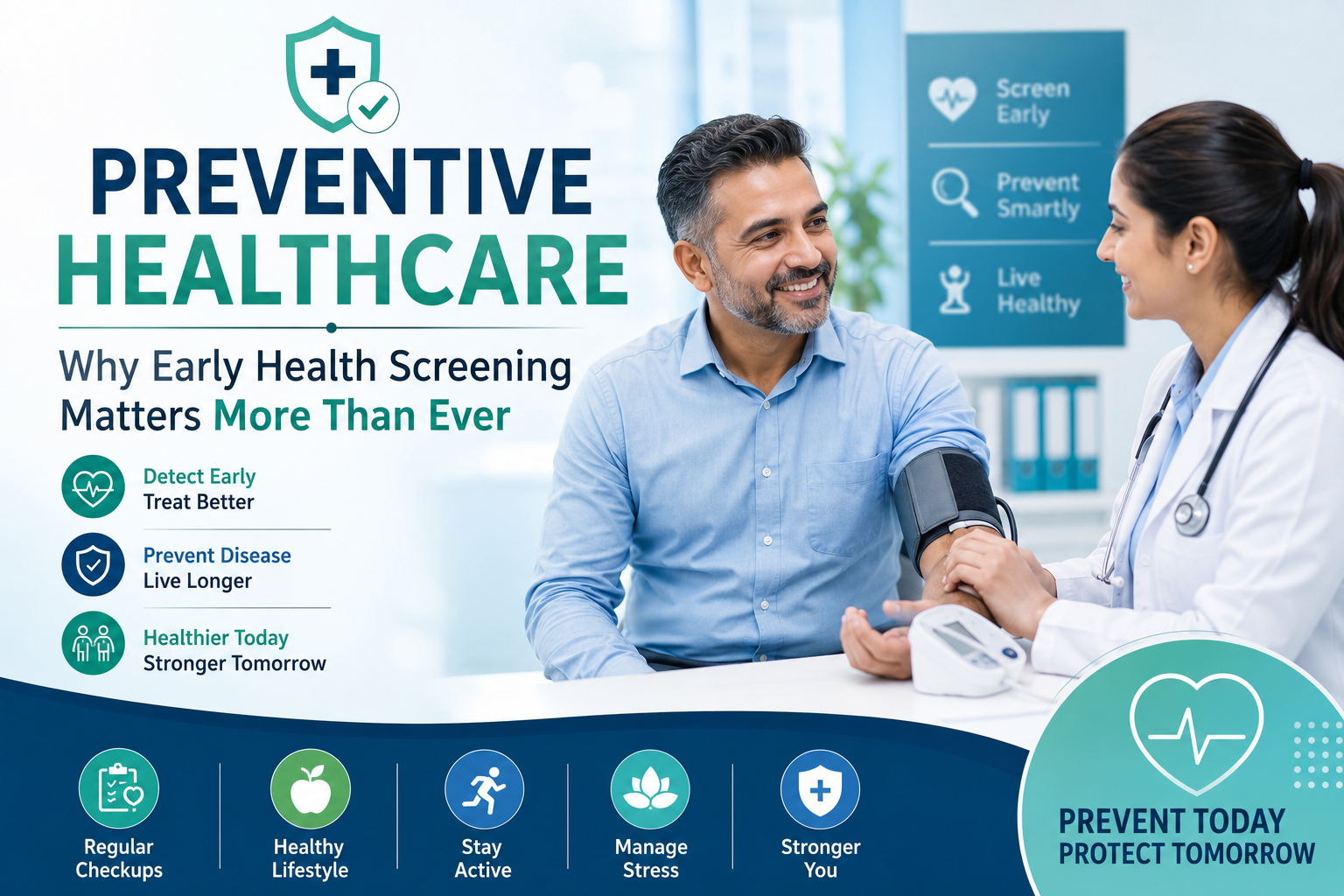
Preventive healthcare focuses on preventing illnesses before they develop or become severe. One of the most effective ways to achieve this is through early health screening, which helps detect health problems at their earliest stages—often before symptoms appear.
🩺 The earlier a condition is detected, the better the chances of successful treatment, lower healthcare costs, and improved quality of life.
🩺 What Is Preventive Healthcare?


Preventive healthcare refers to medical services and healthy lifestyle practices designed to reduce the risk of diseases before they occur. Rather than treating illnesses after they develop, preventive healthcare aims to maintain overall wellness.
It includes:
- 🥗 Healthy nutrition
- 🏃 Regular exercise
- 💉 Vaccinations
- 🚭 Avoiding tobacco and excessive alcohol
- 😴 Quality sleep
- 🧠 Mental health care
- 🧪 Routine health screenings
Together, these practices help people live longer, healthier, and more productive lives.
🔬 What Is Early Health Screening?
Early health screening involves medical tests that identify diseases before symptoms become noticeable.
These screenings may include:
- Blood pressure measurement
- Blood sugar testing
- Cholesterol profile
- Cancer screening
- Vision examination
- Hearing assessment
- Bone density testing
- Kidney and liver function tests
- Heart health evaluation
Depending on age, gender, family history, and lifestyle, doctors recommend different screening schedules.
❤️ Why Early Detection Saves Lives
Many serious diseases develop silently.
Examples include:
- High blood pressure
- Diabetes
- High cholesterol
- Kidney disease
- Certain cancers
- Heart disease
- Osteoporosis
These conditions often progress without warning signs.
By the time symptoms appear, treatment may become more difficult and expensive.
Early screening helps doctors identify:
✅ Risk factors
✅ Early-stage diseases
✅ Hidden infections
✅ Nutritional deficiencies
✅ Organ dysfunction
This allows treatment before complications occur.
📊 Benefits of Regular Health Screening
1. Detect Diseases Before Symptoms Begin
The biggest advantage is early diagnosis.
Many cancers—including breast, cervical, colon, and prostate cancer—have significantly better treatment outcomes when detected early.
Early treatment often requires less aggressive therapy and offers higher survival rates.
2. Reduce Healthcare Costs
Treating advanced diseases often involves:
- Hospital admissions
- Surgery
- Intensive medications
- Long recovery periods
Preventive screenings cost far less than treating advanced illness.
Investing in routine checkups today may save thousands in future medical expenses.
3. Improve Quality of Life
Healthy individuals enjoy:
- Higher energy levels
- Better physical fitness
- Improved mental health
- Greater productivity
- Longer independence in older age
Preventive care helps maintain overall well-being rather than simply managing disease.
4. Lower Risk of Chronic Diseases
Lifestyle diseases are increasing worldwide.
Regular screenings help manage:
- Diabetes
- Hypertension
- Obesity
- Cardiovascular disease
Doctors can recommend dietary changes, exercise, or medication before complications arise.
5. Personalized Healthcare
Modern preventive medicine focuses on individual risk.
Doctors evaluate:
- Family history
- Age
- Lifestyle
- Occupation
- Genetic risk
- Existing conditions
Screening programs are then customized for each individual.
🧬 Diseases That Can Be Detected Early


Early health screenings can detect:
❤️ Heart Disease
Tests include:
- Blood pressure
- ECG
- Cholesterol
- Cardiac risk assessment
🍬 Diabetes
Routine blood glucose testing can detect:
- Prediabetes
- Type 2 diabetes
Early lifestyle changes often delay or prevent disease progression.
🎗 Cancer
Common screenings include:
- Mammography
- Pap smear
- HPV testing
- Colonoscopy
- Stool tests
- PSA testing (when appropriate)
- Skin examinations
🦴 Osteoporosis
Bone density scans identify weakened bones before fractures occur.
👁 Eye Diseases
Regular eye examinations detect:
- Glaucoma
- Cataracts
- Diabetic retinopathy
- Macular degeneration
🩸 High Cholesterol
Many people have high cholesterol without symptoms.
Early treatment lowers heart attack and stroke risk.
👨👩👧 Who Should Get Screened?
Everyone benefits from preventive healthcare.
However, screening becomes especially important for:
- Adults over 40
- Individuals with family history of chronic disease
- Smokers
- People with obesity
- Individuals with hypertension
- People living with diabetes
- Those with sedentary lifestyles
- Individuals experiencing chronic stress
Healthcare providers may recommend earlier or more frequent screening for higher-risk individuals.
👶 Preventive Healthcare Across Every Stage of Life
Children
Important preventive care includes:
- Vaccinations
- Growth monitoring
- Vision screening
- Hearing tests
- Dental care
Young Adults
Focus areas include:
- Mental health
- Sexual health
- Blood pressure
- Healthy weight
- Physical fitness
Middle Age
Screenings often expand to include:
- Diabetes
- Cholesterol
- Cancer
- Heart disease
- Thyroid disorders
Older Adults
Additional attention may be given to:
- Bone health
- Cognitive screening
- Fall risk
- Hearing
- Vision
- Medication reviews
🍎 Lifestyle and Prevention Go Hand in Hand
Health screenings are most effective when combined with healthy habits.
Daily habits that support preventive health include:
🥗 Eat a balanced diet rich in fruits, vegetables, whole grains, and lean proteins.
🚶 Exercise for at least 150 minutes each week.
😴 Get 7–9 hours of quality sleep each night.
💧 Stay well hydrated.
🚭 Avoid smoking and limit alcohol intake.
🧘 Practice stress-management techniques such as meditation, yoga, or deep breathing.
🌞 Protect your skin from excessive sun exposure.
🧠 Mental Health Is Preventive Healthcare Too
Preventive healthcare isn’t limited to physical health.
Regular mental health check-ins help identify:
- Anxiety
- Depression
- Burnout
- Sleep disorders
- Chronic stress
Early support through counseling, therapy, or lifestyle adjustments can greatly improve emotional well-being.
💻 Technology Is Transforming Preventive Healthcare
Digital health tools are making prevention more accessible than ever.
Examples include:
- ⌚ Smartwatches that monitor heart rate and activity
- 📱 Health apps that track sleep, nutrition, and exercise
- 🏥 Telemedicine consultations
- 🤖 AI-assisted risk assessments
- 📊 Wearable devices for continuous health monitoring
These technologies encourage people to monitor their health regularly and seek care when needed.
🌍 Why Preventive Healthcare Matters More Than Ever
Several global trends make prevention increasingly important:
- Rising rates of chronic diseases
- Aging populations
- Sedentary lifestyles
- Increasing obesity
- Mental health challenges
- Higher healthcare costs
Preventive healthcare helps reduce the burden on individuals and healthcare systems while promoting healthier communities.
📝 Tips for Scheduling Your Health Screenings
- 📅 Keep an annual wellness checkup.
- 🩺 Discuss your family history with your healthcare provider.
- 📋 Follow age-appropriate screening recommendations.
- 💉 Stay current with vaccinations.
- 📝 Track your test results over time.
- ❓ Ask questions about your health risks and prevention strategies.
- 🔁 Follow through with recommended follow-up appointments.
🚀 Conclusion
Preventive healthcare empowers individuals to take charge of their health before illness strikes. Early health screenings can detect many conditions when they are most treatable, reducing complications, lowering healthcare costs, and improving long-term quality of life.
By combining routine checkups with healthy lifestyle choices, mental wellness, and modern health technology, you can significantly reduce your risk of chronic disease and enjoy a healthier future. Remember, prevention is not just about avoiding illness—it’s about living your healthiest, happiest life every day.
📌 FAQs
Q1. How often should I have a health screening?
It depends on your age, sex, medical history, and risk factors. Many adults benefit from an annual wellness visit, while some screenings are recommended every few years.
Q2. Can health screenings detect diseases before symptoms appear?
Yes. Many conditions, such as high blood pressure, diabetes, high cholesterol, and some cancers, can be identified before symptoms develop.
Q3. Are preventive screenings only for older adults?
No. Preventive care is important at every stage of life, from childhood vaccinations to adult health checks and senior wellness assessments.
Q4. Do healthy people still need screenings?
Yes. Even if you feel well, screenings can uncover silent conditions and help establish a baseline for future health.
Q5. What is the biggest benefit of preventive healthcare?
The greatest benefit is early detection and prevention, which can lead to more effective treatment, fewer complications, and a longer, healthier life.