

Category: Longevity · Cell Biology · Healthy Aging
Research focus: How mitochondria, physical activity, nutrition, and cellular stress influence aging and age-associated diseases.
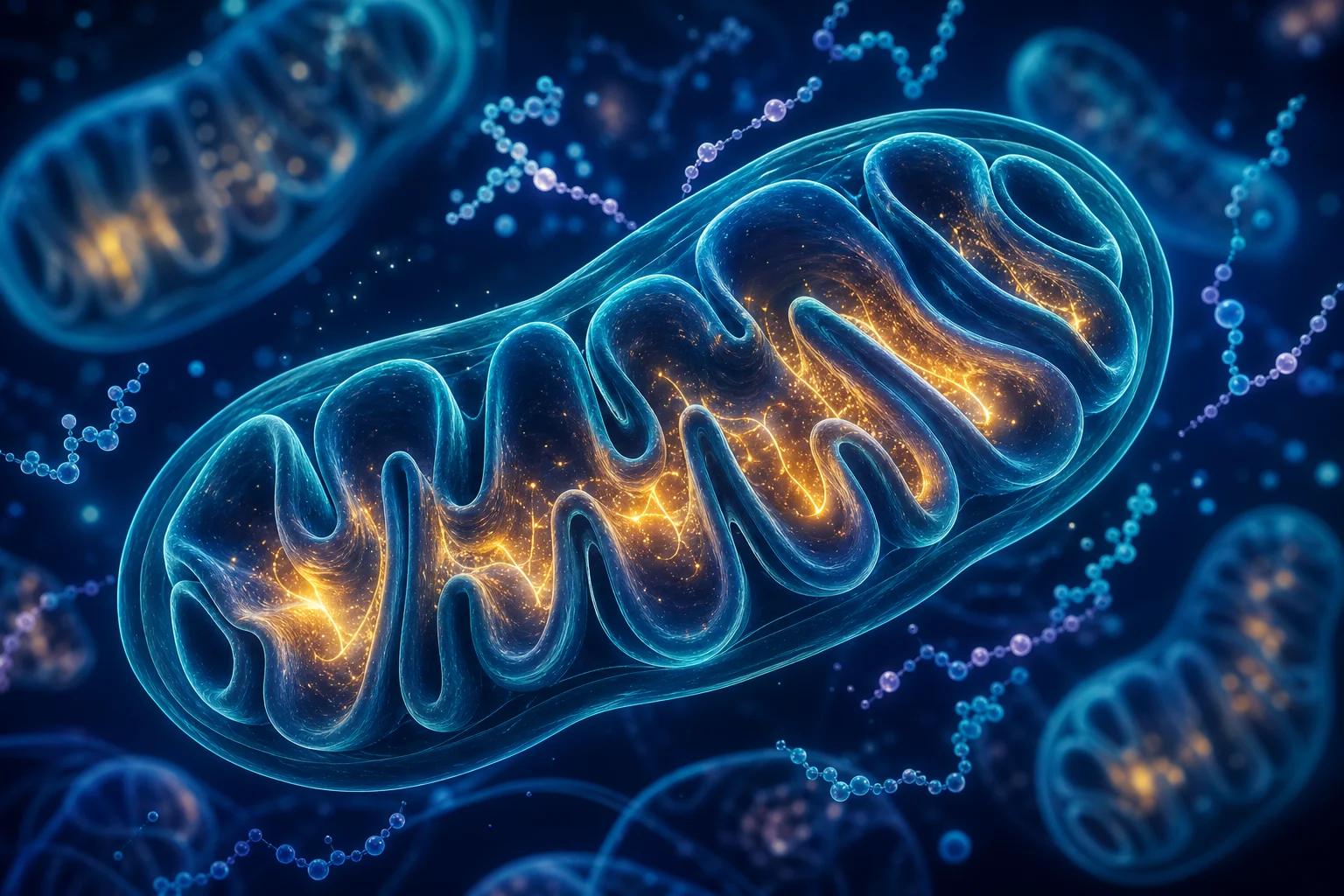
As scientists explore why our bodies change with age, one tiny structure inside our cells has attracted considerable attention: the mitochondrion. Often called the powerhouse of the cell, mitochondria help convert nutrients into usable energy. But their role extends far beyond energy production. They also participate in cellular signaling, metabolism, inflammation, and programmed cell death.
Researchers are investigating whether maintaining healthy mitochondria could help preserve muscle strength, support brain function, and reduce some age-related health risks. The science is promising, but an important distinction remains: supporting mitochondrial function is not the same as stopping or reversing aging.
What Are Mitochondria, and Why Do They Matter?
Mitochondria are specialized structures found in most human cells. They help produce adenosine triphosphate (ATP), the molecule that powers essential activities such as muscle contraction, nerve signaling, and the repair and maintenance of tissues.
During cellular respiration, mitochondria use energy from nutrients to help generate ATP. This process depends on oxygen, enzymes, the mitochondrial inner membrane, and a series of coordinated biochemical reactions.
However, mitochondria do much more than supply energy. They help regulate calcium levels, influence immune responses, participate in cell-death pathways, and communicate information about the cell’s metabolic condition. These functions make them important to both everyday health and the biology of aging.
Consider the different energy demands of the human body. The heart contracts continuously, the brain maintains electrical activity, and skeletal muscles support movement and balance. All depend on well-coordinated cellular energy systems.
When mitochondrial function is impaired, some tissues may struggle to meet their energy needs. The effects can vary considerably depending on the tissue, the underlying cause, and the severity of the impairment.
How Does Mitochondrial Function Change With Age?

Aging is associated with changes in mitochondrial function, but these changes do not occur uniformly in every person or tissue.
Several interconnected processes may contribute to age-related mitochondrial dysfunction.
Reduced energy efficiency: Some mitochondria become less efficient at producing ATP. This may affect tissues with high energy requirements, including skeletal muscle and the nervous system.
Oxidative stress: Mitochondria generate reactive oxygen species (ROS) during normal energy production. These molecules also serve useful signaling functions, but excessive or poorly controlled levels can damage cellular components.
Changes in mitochondrial DNA: Mitochondria contain their own DNA. Mutations and other forms of damage may accumulate over time, potentially affecting mitochondrial performance.
Impaired cellular maintenance: Cells normally have systems that repair, recycle, or replace damaged components. Age-related changes in these systems may allow dysfunctional mitochondria to persist.
Altered mitochondrial dynamics: Mitochondria continually change shape, divide, and fuse. These processes help maintain a healthy mitochondrial network. Disruption can interfere with cellular energy regulation and stress responses.
These processes may reinforce one another. For example, impaired mitochondrial maintenance can allow damaged components to accumulate, while persistent cellular stress can interfere with normal energy metabolism.
Nevertheless, mitochondrial dysfunction is only one aspect of aging. Genetics, immune function, hormonal changes, physical activity, nutrition, environmental exposures, and social conditions also influence how people age.
The Connection Between Mitochondria and Age-Associated Diseases
Scientists are investigating mitochondrial dysfunction in several conditions that become more common with age. The relationships are complex: mitochondrial changes may contribute to disease, arise as a consequence of disease, or do both.

Muscle loss and frailty
Skeletal muscles rely on mitochondria to support repeated contractions and physical activity. Changes in energy metabolism may contribute to declining endurance, muscle quality, and mobility, alongside inactivity, inadequate nutrition, and other age-related changes.

Brain and neurological health
Neurons have substantial energy requirements. Mitochondrial dysfunction is being studied in conditions such as Parkinson’s disease and Alzheimer’s disease, although neither condition can be explained by mitochondrial changes alone.

Cardiovascular health
Heart muscle depends on a continuous energy supply. Mitochondrial abnormalities may contribute to heart dysfunction, but cardiovascular aging also involves blood vessels, blood pressure, inflammation, and other mechanisms.

Metabolic disorders
Mitochondria participate in glucose and fat metabolism. Changes in mitochondrial function are associated with insulin resistance and metabolic disease, although the relationship varies across tissues and individuals.
Research reviews identify mitochondrial dysfunction as a potential contributor to several age-associated diseases, while emphasizing that these conditions involve multiple biological pathways.
Exercise: One of the Strongest Ways to Support Mitochondrial Health

Exercise is particularly important in mitochondrial research because it provides a well-established stimulus for adaptation in human skeletal muscle.
When muscles repeatedly work during exercise, cells activate signaling pathways that help them adapt to increased energy demands. With regular training, these adaptations can improve aerobic capacity, mitochondrial function, and the ability of muscles to use oxygen and fuel.
A 2025 review in Annual Review of Physiology examined how exercise type, intensity, frequency, and duration affect mitochondrial adaptation. The research supports exercise as a powerful approach to improving mitochondrial function, although responses depend on the person and the type of training.
Aerobic exercise
Walking briskly, cycling, swimming, and dancing increase energy demands and challenge the body’s oxygen-delivery systems. Regular aerobic exercise can improve cardiorespiratory fitness and support mitochondrial adaptations in skeletal muscle.
Beginners can start with short sessions and gradually increase duration according to their ability. Consistency matters more than attempting exhausting workouts.
Strength training
Resistance exercise helps maintain muscle strength and function as people age. Body-weight exercises, resistance bands, or appropriately selected weights can provide useful challenges.
Strength training supports healthy aging through several mechanisms, including muscle preservation, improved functional capacity, and metabolic benefits. It complements rather than replaces aerobic exercise.
Interval training
Alternating periods of more vigorous activity with easier recovery periods can improve fitness in suitable individuals. However, high-intensity interval training is not essential for everyone, and beginners or people with cardiovascular or other medical conditions may need professional guidance before trying it.
Balance and mobility
Balance exercises, gentle mobility work, and activities such as appropriately modified yoga can help support coordination and reduce functional limitations. These activities may not stimulate mitochondrial adaptation in the same way as aerobic exercise, but they contribute to broader healthy-aging goals.
Practical takeaway: A sustainable combination of walking or other aerobic activity, strength training, and balance work is more useful for healthy aging than relying on a single exercise or an unproven mitochondrial supplement.
Nutrition: Can Food Improve Mitochondrial Health?

Mitochondria need a steady supply of energy and nutrients to perform their functions. No single food can repair every form of mitochondrial damage, but a balanced diet helps support normal metabolism, muscle maintenance, and overall health.
A 2024 review in Sports Medicine examined nutritional strategies that may help maintain muscle mitochondrial function and physical performance during aging. The authors emphasized that exercise remains a primary intervention, while evidence for particular supplements varies.
Eat a variety of plant foods
Vegetables, fruits, beans, lentils, and whole grains supply fiber, vitamins, minerals, and other bioactive compounds. A varied diet can help meet nutritional needs and support cardiometabolic health.
Affordable Indian options include spinach, carrots, tomatoes, seasonal fruit, chickpeas, moong dal, rajma, and whole-wheat roti.
Include adequate protein
Muscle maintenance becomes increasingly important with age. Protein provides the amino acids needed to build and maintain muscle tissue.
Useful vegetarian sources include:
- Dal, chickpeas, rajma, and other pulses.
- Soybeans, tofu, and soya chunks.
- Milk, curd, and paneer.
- Nuts and seeds, as part of a balanced diet.
Protein needs vary according to age, activity, body size, and medical conditions. People with kidney disease or other conditions affecting dietary protein should seek individualized advice.
Choose healthy fats
Nuts, seeds, and suitable plant oils provide unsaturated fats. Walnuts, flaxseeds, and chia seeds also supply alpha-linolenic acid, a plant-based omega-3 fatty acid.
These foods can contribute to a heart-healthy eating pattern. However, eating them does not guarantee increased mitochondrial function or longer life.
Obtain essential vitamins and minerals
Several nutrients participate in energy metabolism, including B vitamins, iron, magnesium, and copper. Deficiencies can interfere with normal physiological functions.
Vitamin B12 deserves particular attention for people following a fully vegetarian diet, because reliable natural sources are limited. Fortified foods or supplements may be appropriate when needed.
Iron supplements should not be taken routinely without a reason to suspect deficiency or medical guidance. Excess iron can be harmful.
What about antioxidants?
Berries, citrus fruits, tomatoes, leafy vegetables, and other colorful plant foods provide antioxidant compounds. They are valuable components of a varied diet, but the idea that more antioxidants automatically produce healthier mitochondria is too simplistic.
Reactive oxygen species also play useful roles in cellular signaling and adaptation to exercise. High-dose antioxidant supplements may not reproduce the benefits of eating whole foods and can sometimes interfere with exercise adaptations.
Mitochondrial Quality Control: How Cells Maintain Their Energy Systems

One of the important developments in aging research is the growing recognition that mitochondrial health depends not only on how much energy mitochondria produce, but also on how well cells maintain them.
A review published in Nature Metabolism on June 29, 2026, examined mitochondrial quality control in human aging and longevity. It described the systems that monitor mitochondrial integrity, maintain the mitochondrial network, and remove damaged organelles.
Three processes are especially important.
Mitochondrial biogenesis is the process through which cells produce new mitochondria and associated components. Exercise can stimulate adaptations that increase mitochondrial capacity in skeletal muscle.
Mitophagy is a specialized form of cellular recycling in which damaged or unnecessary mitochondria are broken down. This helps prevent defective organelles from accumulating.
Mitochondrial fusion and fission allow mitochondria to merge or divide. These processes help the network adapt to changing energy demands and cellular stress.
Together, these mechanisms contribute to mitochondrial quality control. Their balance matters: simply increasing mitochondrial numbers would not necessarily improve health if damaged organelles were not appropriately maintained.
Researchers are investigating ways to influence these systems as potential treatments for age-associated diseases. However, many proposed interventions remain experimental, and changes in laboratory biomarkers do not automatically translate into longer or healthier human lives.
Cellular Stress: Can a Small Challenge Make Cells More Resilient?
An intriguing concept in longevity research is mitohormesis. It describes the possibility that a moderate, temporary mitochondrial stress can activate protective responses that help cells adapt.
Exercise provides a familiar example. Physical activity temporarily increases energy demand and alters cellular signaling. During recovery, the body adapts to the challenge, helping improve fitness and mitochondrial function.
The key is the balance between stress and recovery.
- Too little physical activity may reduce the stimulus needed to maintain fitness.
- Appropriate exercise challenges the body and encourages adaptation.
- Excessive training without adequate recovery can contribute to injury, fatigue, and poor performance.
Researchers are also studying whether other carefully controlled stress-related pathways can improve mitochondrial maintenance. Some findings are promising in laboratory models, but they should not be interpreted as evidence that extreme fasting, deliberate dehydration, exposure to severe cold, or intense exercise is necessary for longevity.
The practical lesson: Healthy adaptation comes from an appropriate challenge followed by recovery, not from maximizing stress.
Sleep, Stress Management, and Everyday Habits
Mitochondrial health is not determined by food and exercise alone. Daily habits influence metabolic health, physical recovery, and the systems that regulate inflammation.

Prioritize sufficient sleep
Regular, adequate sleep supports cognitive function, metabolic regulation, and recovery. Adults commonly need around seven to nine hours, although individual requirements vary.

Manage persistent stress
Gentle breathing exercises, meditation, social connection, and time outdoors may help manage stress. They are useful for overall well-being, but should not be presented as proven methods of directly repairing mitochondria.

Avoid prolonged inactivity
Take regular movement breaks, walk when practical, and choose activities that fit your ability. Frequent movement complements planned exercise.

Maintain sustainable routines
Eat regular balanced meals, stay adequately hydrated, avoid smoking, and limit alcohol. Managing blood pressure, blood glucose, and other health risks can also support healthy aging.
These habits have benefits beyond mitochondrial biology. Their value lies in supporting the body’s overall capacity to maintain function over time.
Can Supplements Boost Mitochondrial Energy?
The growing interest in longevity has created a market for products advertised as mitochondrial boosters. Some have plausible biological mechanisms, but scientific plausibility is not the same as proven clinical benefit.
Here are several approaches researchers are investigating.

NAD+ precursors
Nicotinamide riboside and nicotinamide mononucleotide (NMN) are studied because they may increase NAD+ availability. NAD+ participates in cellular energy metabolism and other important reactions. However, increasing NAD+ measurements does not establish that a supplement improves healthspan or extends human lifespan.

Coenzyme Q10
CoQ10 participates in the mitochondrial electron transport chain. Supplementation has established uses in certain clinical contexts, but evidence does not support treating it as a universal anti-aging solution for healthy adults.

Urolithin A
This compound, which can be produced by gut microbes from certain dietary polyphenols, is being studied for its potential effects on mitochondrial maintenance and muscle function. Early human studies are interesting, but the evidence does not establish longer lifespan or broad anti-aging benefits.
Glycine and N-acetylcysteine
This combination, sometimes called GlyNAC, has been investigated for its effects on glutathione production, oxidative stress, and physical function. Larger, well-designed trials are needed to establish its long-term benefits and safety.
These approaches appear in the scientific literature on mitochondrial health and aging, but their evidence varies by intervention, dose, population, and measured outcome.
Before using a supplement, consider potential side effects, medication interactions, product quality, and whether a deficiency or clinical indication exists. A healthcare professional can help determine whether supplementation is appropriate.
Should You Try Fasting to Improve Mitochondria?
Calorie restriction and time-restricted eating are being studied for their effects on metabolism, nutrient-sensing pathways, and mitochondrial maintenance.
Some animal studies have reported favorable effects on longevity-related pathways. Human evidence is more complicated: outcomes depend on the dietary strategy, nutritional adequacy, health status, and length of follow-up.
Fasting is not required for healthy mitochondria. Prolonged fasting or aggressive calorie restriction may cause nutritional deficiencies and loss of muscle mass, especially in vulnerable individuals. People who are pregnant, have a history of eating disorders, use glucose-lowering medication, or have certain medical conditions should seek medical advice before considering fasting.
For most people, a balanced diet that provides sufficient energy and protein is a more practical starting point than attempting an extreme dietary protocol.
Can Scientists Measure Mitochondrial Health?
Mitochondrial research increasingly uses specialized tests to investigate how well cells generate energy, respond to stress, and maintain their organelles. Yet there is no single routine test that can reliably summarize a person’s overall mitochondrial health or predict their lifespan.
Common research methods include:
- High-resolution respirometry: Measures oxygen consumption under defined laboratory conditions to assess mitochondrial respiration.
- ATP measurements: Estimates cellular energy availability, although results depend on the sample and testing method.
- Mitochondrial DNA analysis: Examines genetic variation, mutations, or damage in mitochondrial DNA.
- Muscle biopsies: Allow researchers to investigate mitochondrial structure, proteins, and function directly in muscle tissue.
- Blood-based biomarkers: Researchers are exploring whether molecular indicators can help identify mitochondrial stress or dysfunction, although many remain experimental.
A critical limitation is that mitochondrial function varies by tissue. A result obtained from blood cells may not directly represent what is happening in the heart, brain, or skeletal muscle. Researchers also need to distinguish a meaningful improvement in health from a change in a laboratory measurement.
For everyday health, clinicians usually focus on symptoms, medical history, physical function, and appropriate tests for specific conditions rather than ordering specialized mitochondrial tests without a clear indication.
What Does the Latest Research Tell Us?

Research published in recent years illustrates both the progress and the limitations of this field.
2024 · Nutrition and muscle function
Mitochondria as nutritional targets during aging
A review in Sports Medicine examined how nutrition and supplements might support mitochondrial function and physical performance in older adults. It emphasized exercise as a primary intervention and discussed additional nutritional strategies under investigation.
February 2025 · Exercise physiology
Exercise as mitochondrial medicine
A review in Annual Review of Physiology analyzed how exercise variables influence mitochondrial adaptation, emphasizing that training type, intensity, frequency, and duration all matter.
June 2026 · Longevity research
Mitochondrial quality control in human aging
A review in Nature Metabolism explored how mitochondrial maintenance systems influence aging, metabolic resilience, and immune function. It also discussed emerging therapeutic targets, including NAD+ pathways and AMPK-related mechanisms. These remain areas of active investigation rather than established lifespan-extending treatments.
An important theme across this research is the difference between improving a biological process and improving a person’s life. Researchers need to determine whether an intervention leads to meaningful benefits, such as maintaining mobility, reducing disease complications, or preserving independence.
A Practical Seven-Day Routine to Support Healthy Aging
The following is a simple example of how to incorporate healthy-aging habits into everyday life. It is not a medical treatment or a guarantee of improved mitochondrial function.
Your weekly checklist
0/7 days
Monday
Movement: 20–30 minutes of comfortable brisk walking
Nutrition: Dal, whole-grain roti, and vegetables
Recovery: Keep a regular bedtime.
Tuesday
Movement: Gentle strength exercises for 15–20 minutes
Nutrition: Chickpeas or rajma with vegetables
Recovery: Take movement breaks during long sitting periods.
Wednesday
Movement: Walk, cycle, or swim at a comfortable pace
Nutrition: Curd or another suitable protein-rich food
Recovery: Try five minutes of slow, relaxed breathing.
Thursday
Movement: Strength exercises adapted to your ability
Nutrition: Soya chunks or tofu with whole grains
Recovery: Allow adequate recovery between sessions.
Friday
Movement: Brisk walking or another enjoyable aerobic activity
Nutrition: Seasonal fruit, nuts, and a balanced main meal
Recovery: Limit late-day caffeine if it affects sleep.
Saturday
Movement: A longer easy walk or a favorite active hobby
Nutrition: A varied meal with pulses and vegetables
Recovery: Spend time with friends or family.
Sunday
Movement: Gentle stretching, balance, or recovery activity
Nutrition: Prepare simple meals for the coming week
Recovery: Review the week and plan manageable goals.
Reset weekly checklist
Start at a comfortable level and increase activity gradually. The World Health Organization recommends that adults generally aim for 150–300 minutes of moderate-intensity aerobic activity per week, or an equivalent amount of vigorous activity, alongside muscle-strengthening activities on at least two days per week. People who are inactive can begin with less and build up over time.
If exercise causes chest pain, faintness, unusual breathlessness, or other concerning symptoms, stop and seek appropriate medical care.
Common Myths About Mitochondrial Health
The popularity of longevity science has also produced exaggerated claims. Understanding what research actually shows can help readers make informed decisions.
Myth: More mitochondria always mean better health.
Reality: Mitochondrial function, location, quality, and maintenance all matter. Increasing the number of mitochondria does not automatically improve cellular performance.
Myth: Mitochondrial supplements can reverse aging.
Reality: Some supplements affect biological pathways associated with mitochondrial function, but no supplement has been established as a way to reverse human aging or extend the lifespan of healthy people.
Myth: Fatigue always means mitochondrial dysfunction.
Reality: Fatigue has many possible causes, including inadequate sleep, anemia, thyroid disorders, infections, stress, medication effects, and other health conditions. Persistent or unexplained fatigue deserves appropriate medical assessment.
Myth: Antioxidants eliminate all harmful oxidative stress.
Reality: Reactive oxygen species have both beneficial and harmful roles. The goal is healthy cellular regulation, not eliminating every reactive molecule.
Myth: Extreme exercise and fasting are necessary for longevity.
Reality: Sustainable exercise, sufficient nutrition, and adequate recovery are practical approaches to supporting health. Extreme interventions may create risks without providing additional benefits.
The Future of Mitochondrial Medicine
Mitochondrial research may eventually lead to more targeted treatments for conditions associated with aging. Several areas are attracting scientific interest.
Targeted mitochondrial therapies: Researchers are investigating ways to improve energy production or protect mitochondria from specific forms of damage.
Precision medicine: Genetic information, disease-specific biomarkers, and measurements of cellular function could help researchers identify which patients might benefit from particular treatments.
Improved mitochondrial quality control: Therapies designed to enhance the removal of damaged mitochondria or support their replacement could become useful for selected diseases.
Personalized aging research: Combining molecular measurements with mobility, muscle strength, cognition, and other clinical outcomes may help distinguish genuine health improvements from changes in laboratory biomarkers.
These possibilities remain under investigation. The central challenge is demonstrating that a treatment works safely in humans and provides benefits that matter to patients.
A review published in 2026 in Nature Metabolism highlights mitochondrial quality control as a promising research area while underscoring the need for stronger evidence linking interventions to meaningful outcomes in human health and longevity.
Conclusion: Can Cellular Energy Hold the Key to Healthy Aging?
Mitochondria are essential to cellular energy production, metabolism, and the systems that help cells respond to stress. Changes in their function and maintenance are associated with aging and several age-related diseases, making them an important focus of modern longevity research.
The most useful finding for everyday life is that mitochondrial health does not depend on a miracle food, a costly supplement, or an extreme wellness routine. Regular physical activity, adequate nutrition, sufficient sleep, and appropriate management of health conditions can support overall health and physical function as people age.
At the same time, researchers are working to understand whether therapies that target mitochondrial function can help prevent or treat specific age-associated diseases. The evidence is developing, and improvements in mitochondrial biomarkers should not be confused with proof of longer life.
Healthy aging is about preserving the ability to move, think, recover, and remain independent—not simply making cells produce more energy. Mitochondria may be part of that story, but the strongest approach today is to support the whole body through sustainable, evidence-based habits.