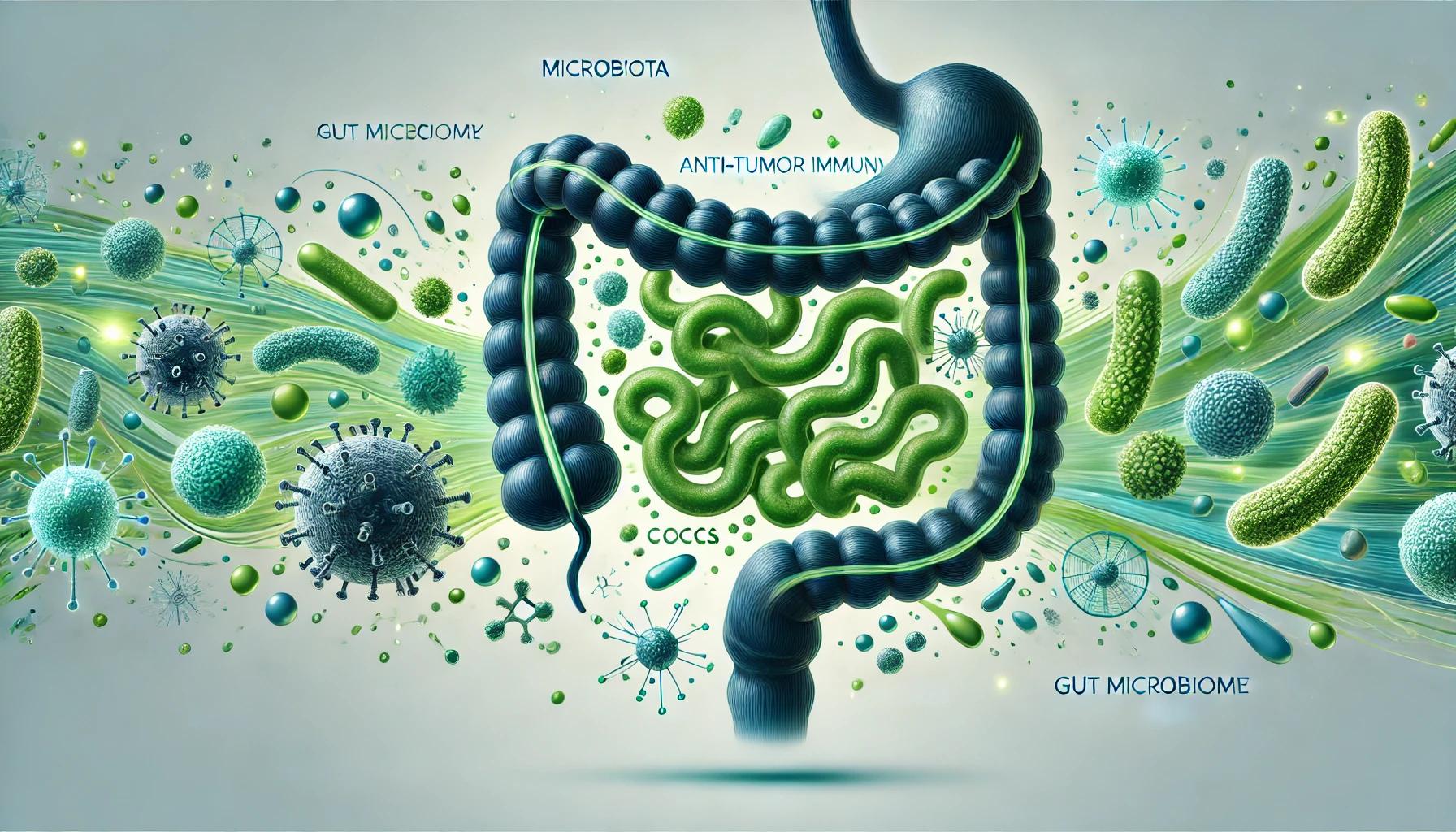
How food choices may reshape gut bacteria, strengthen anti-tumour immunity, and influence the effectiveness of modern cancer treatments
Category: Cancer Research · Nutrition · Gut Health · Immunotherapy · Medical Science
Research focus: October 2026
Introduction
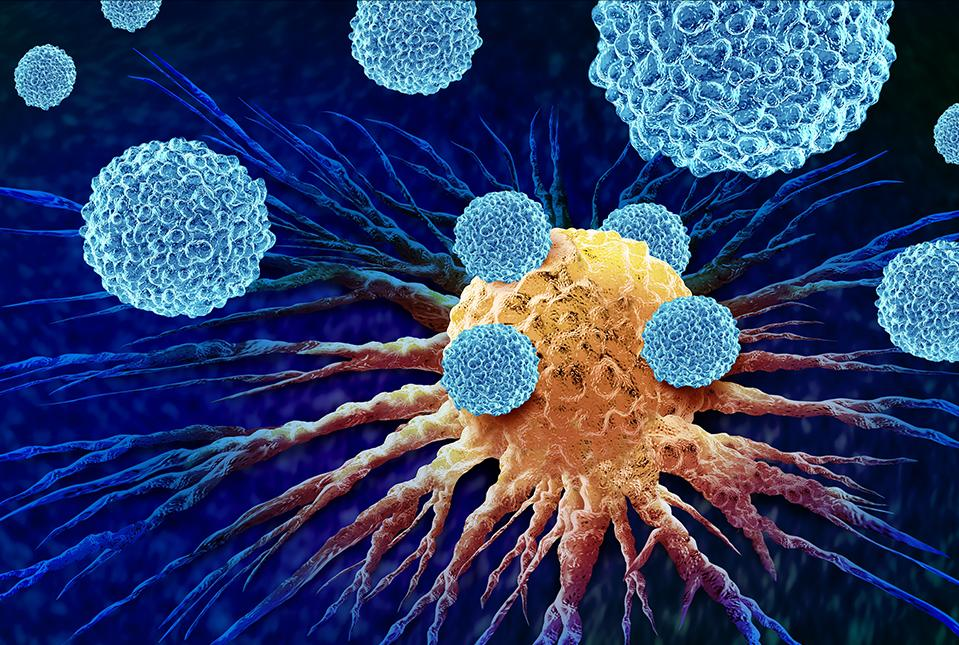
Cancer treatment has advanced considerably over the past few decades. Surgery, chemotherapy, radiotherapy, targeted medicines, and immunotherapy have improved treatment options for many patients. Among these approaches, cancer immunotherapy has attracted particular attention because it uses the body’s own immune system to recognise and attack cancer cells.
However, an important challenge remains: immunotherapy does not work equally well for every patient. Some people experience significant improvements, while others show limited responses or develop resistance to treatment. Scientists are therefore investigating why these differences occur and whether factors beyond the tumour itself can influence treatment outcomes.
One increasingly important area of research is the gut microbiome, the complex community of bacteria and other microorganisms living inside the digestive system. These microorganisms do much more than help digest food. They produce biologically active substances, interact with immune cells, influence inflammation, and contribute to the body’s metabolic processes.
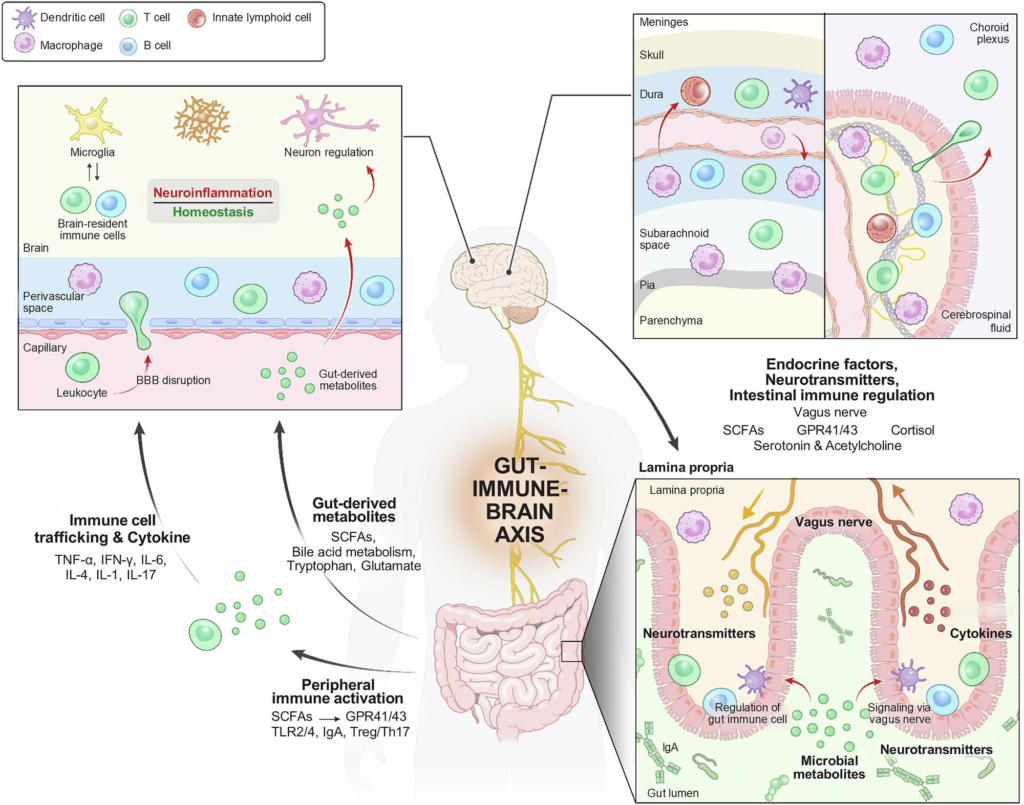
Emerging research published in 2026 suggests that diet and gut bacteria may work together to influence how effectively the immune system responds to cancer. In particular, research published in Nature in September 2026 and discussed in an October 6 article in Cell Metabolism has highlighted a potentially important relationship between dietary patterns, gut microbial activity, obesity-related biology, and immune checkpoint inhibitor treatment.
The findings raise an interesting question: could changing what people eat help create a gut environment that makes cancer immunotherapy more effective?
The answer is promising but not yet definitive. Understanding the research requires looking at the gut microbiome, the immune system, dietary influences, and the limitations of translating experimental findings into human cancer treatment.
What Is the Gut Microbiome and Why Does It Matter in Cancer?
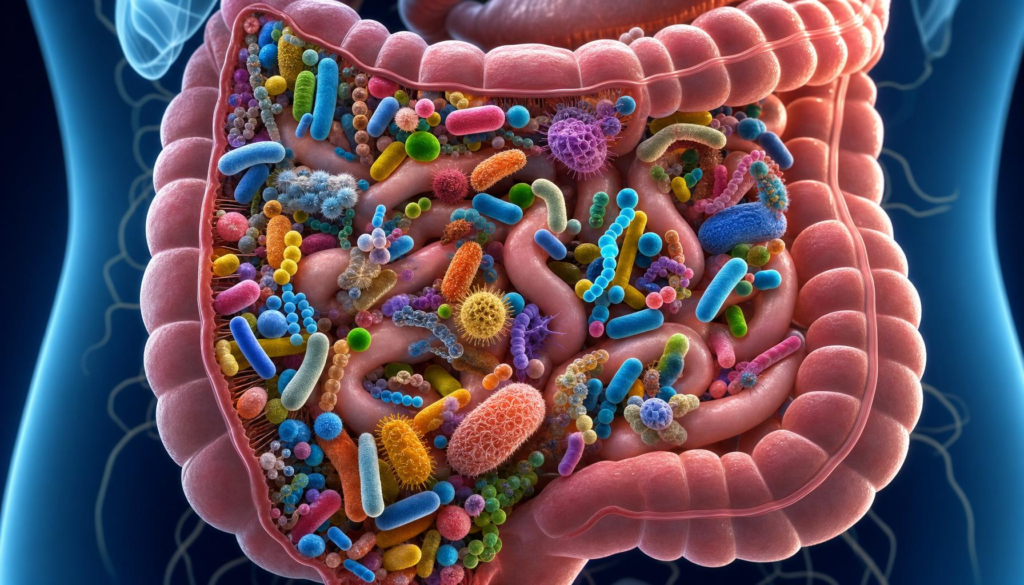
The gut microbiome refers to the collection of microorganisms living in the digestive tract. It includes bacteria, viruses, fungi, and other microscopic organisms. Although many people associate gut bacteria primarily with digestion, their functions extend throughout the body.
Certain intestinal bacteria help break down dietary fibre, produce vitamins, regulate intestinal function, and generate metabolites that communicate with different organs. They also interact with immune cells and help regulate the body’s inflammatory responses.
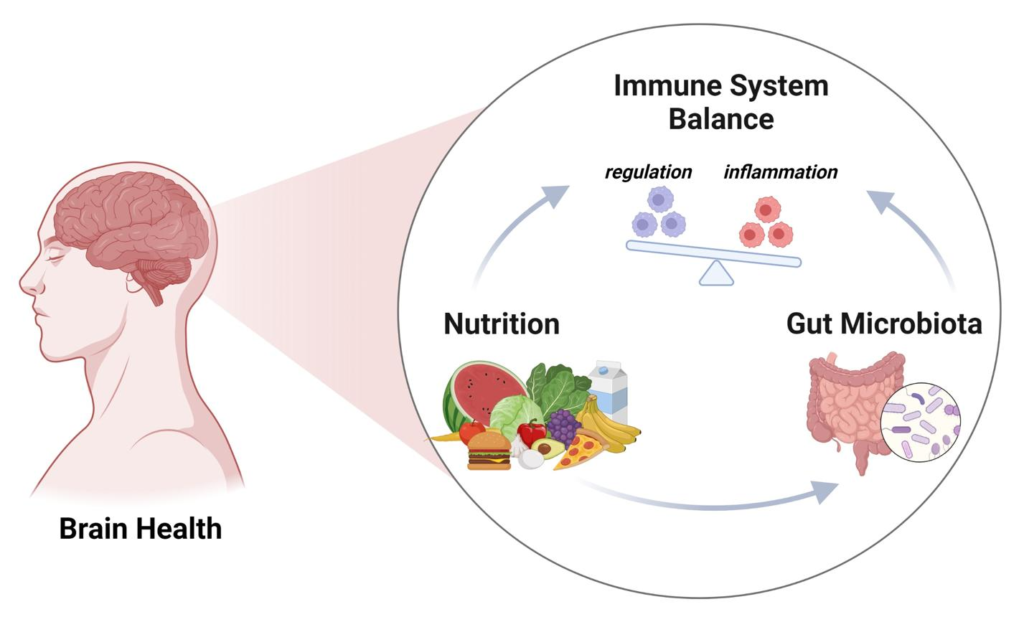
The immune system depends on a delicate balance between identifying harmful threats and avoiding unnecessary attacks against healthy tissues. Gut microorganisms contribute to this balance by influencing immune-cell development, immune signalling, and inflammatory activity.
Some bacteria support protective immune responses, while others may promote inflammation or interfere with immune regulation. Therefore, the composition and activity of the gut microbiome may influence how the body responds to infections, inflammatory diseases, and potentially cancer treatments.
The Connection Between Gut Bacteria and Cancer
Cancer develops when abnormal cells grow and multiply without normal biological control. The immune system can sometimes recognise these abnormal cells and destroy them before they develop into larger tumours.
However, cancer cells can develop mechanisms that help them escape immune surveillance. They may suppress immune activity, interfere with immune-cell communication, and create an environment that protects the tumour.
Scientists call this surrounding environment the tumour microenvironment. It includes cancer cells, immune cells, blood vessels, connective tissue, and signalling molecules.
Gut bacteria may influence this environment through several biological pathways. They can produce metabolites that travel beyond the digestive tract, affect immune-cell activity, and influence the signals that determine whether immune cells attack or tolerate abnormal cells.
This is why researchers are increasingly studying the gut microbiome as a potential factor in cancer treatment response.
Understanding Cancer Immunotherapy
Cancer immunotherapy is a treatment approach designed to help the immune system recognise and fight cancer cells.
Unlike conventional chemotherapy, which directly damages rapidly dividing cells, many immunotherapies work by changing how immune cells recognise and respond to cancer.
One important type is immune checkpoint inhibitor therapy.
What Are Immune Checkpoint Inhibitors?
The immune system contains protective mechanisms called immune checkpoints. These mechanisms prevent immune cells from becoming excessively active and damaging healthy tissues.
However, some cancer cells take advantage of these protective mechanisms to escape immune attacks.
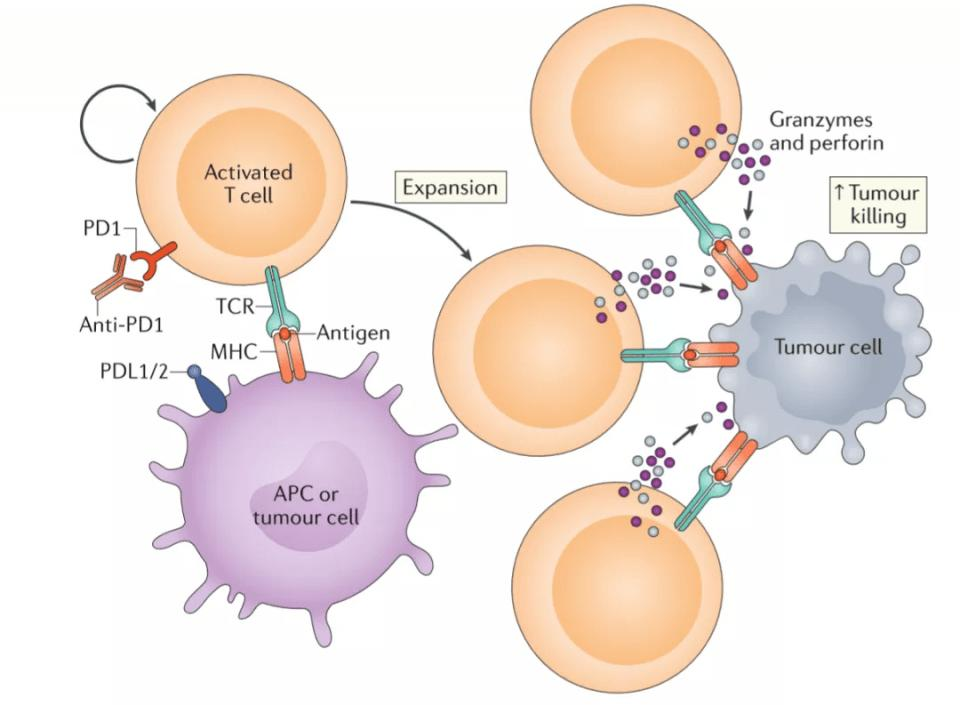
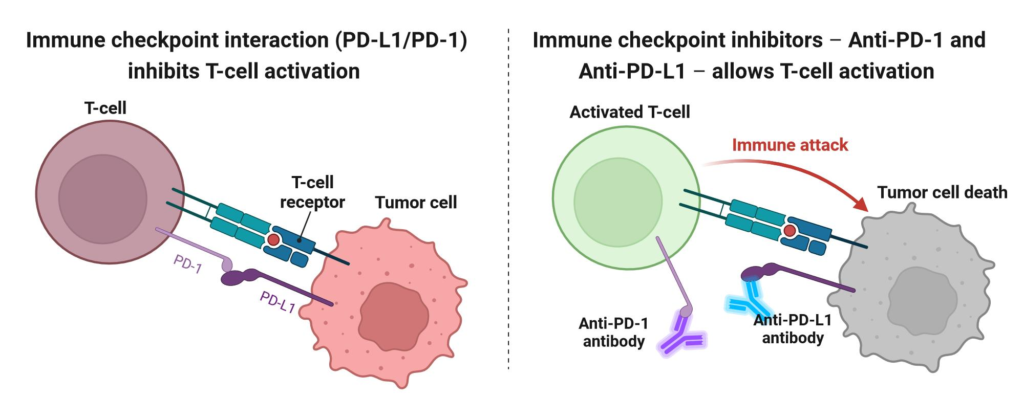
For example, the PD-1 protein is found on certain immune cells, including T cells. Its interaction with PD-L1 can reduce T-cell activity. Some cancer cells use PD-L1 to weaken the immune response directed against them.
Immune checkpoint inhibitors block these interactions, helping T cells maintain their ability to recognise and attack cancer cells.
Common targets include:
- PD-1: A checkpoint protein on immune cells.
- PD-L1: A protein that can help cancer cells suppress immune activity.
- CTLA-4: Another immune checkpoint that regulates T-cell activation.
These treatments are used in several cancer types, although their effectiveness depends on the cancer, treatment setting, individual biology, and other factors.
Why Does Immunotherapy Work Better in Some Patients?
Not everyone responds equally to immune checkpoint inhibitors.
Some patients experience substantial tumour reduction, while others experience stable disease, limited improvement, or disease progression.
Researchers have identified several factors that may influence treatment outcomes, including tumour genetics, immune-cell infiltration, previous treatments, inflammation, metabolic health, and gut microbial composition.
The microbiome is particularly interesting because it may be modifiable through dietary changes and other carefully controlled interventions.
However, scientists still need to establish which microbial changes reliably improve treatment outcomes in humans.
October 2026 Research: Diet and Gut Bacteria May Influence Immunotherapy
One important development in this research area comes from an article published on October 6, 2026, in Cell Metabolism.
The article, titled Diet-microbiome interactions enhance cancer immunotherapy in obesity, was written by Allard W. J. van Renterghem and Emile E. Voest.
It discusses research published in Nature in September 2026 by Lysanne Desharnais and colleagues, titled Diet-microbiome synergy underlies obesity-associated immunotherapy efficacy.
The research investigated how different dietary patterns influence gut bacteria and whether these changes affect responses to immune checkpoint inhibitors.
The findings suggest that dietary composition and gut microbial activity may be more important to immunotherapy response than some conventional measures of metabolic health alone.
What Did the Researchers Investigate?
The research team examined 12 different dietary models in mice, representing a range of nutritional patterns and obesity-related biological characteristics.
The researchers studied how dietary composition influenced body weight, metabolic function, immune activity, and gut microbial communities.
They also investigated how these changes affected sensitivity to immune checkpoint inhibitor treatment.
An important observation was that the relationship between obesity and immunotherapy effectiveness was not explained simply by metabolic dysfunction.
Instead, the researchers identified an important role for interactions between diet and the gut microbiome.
In other words, two individuals or experimental models with similar body-weight characteristics may have different immune responses because their diets and gut microbial ecosystems differ.
This finding challenges the assumption that body weight alone explains the relationship between obesity and cancer immunotherapy.
The Unexpected Role of Obesity-Associated Diets
One of the more surprising findings was that certain obesogenic diets were associated with improved responses to immune checkpoint inhibitors in experimental models.
The researchers found that these diets could support a relatively stable gut microbial ecosystem associated with stronger responses to immunotherapy.
Importantly, this does not mean obesity is beneficial or that people should deliberately gain weight.
Obesity is associated with numerous health risks, including cardiovascular disease, type 2 diabetes, and several cancers. The study instead suggests that certain microbial and dietary interactions may explain some previously observed relationships between obesity and immunotherapy response.
The distinction is important: researchers are interested in identifying beneficial microbial mechanisms without encouraging unhealthy dietary patterns or excess body weight.
Can Changing Diet Restore Immunotherapy Sensitivity?
Another interesting observation involved dietary switching.
The researchers found that a short-term change in diet could help restore immunotherapy sensitivity in certain experimental models.
They also investigated faecal microbiota transplantation, a procedure that transfers gut microorganisms from one donor to another.
Microbiota transplantation from certain donor models helped restore treatment sensitivity in experimental recipients that had previously shown poor responses.
These observations suggest that the gut microbiome is not necessarily fixed. Its composition and function can change in response to dietary conditions.
However, these findings remain experimental and should not be interpreted as evidence that patients can improve their cancer treatment simply by changing their meals.
Lactobacillus johnsonii and Anti-Tumour Immunity
One bacterium received particular attention in the study: Lactobacillus johnsonii.
Researchers introduced this bacterium into germ-free mice, which are animals raised without an established microbiome.
When combined with a particular obesogenic dietary environment, the bacterium promoted tumour regression and improved the experimental response to immunotherapy.
The researchers linked this effect to increased production of microbiota-derived aromatic amino acid metabolites.
These substances may influence immune-cell activity and contribute to a biological environment that supports anti-tumour responses.
The important discovery is not simply that one bacterium may be beneficial. Rather, the findings demonstrate that the effect of a microorganism can depend on the dietary environment in which it operates.
The same bacterial species may not produce identical effects under every nutritional condition.
What Did Human Microbiome Samples Reveal?
The study also investigated faecal microbiota from human donors with different body-mass characteristics.
Researchers transferred human microbiota into mice and examined the animals’ responses to immune checkpoint inhibitors.
Microbiota from donors with higher BMI enhanced immunotherapy efficacy in the recipient mice compared with microbiota from donors with normal BMI.
The researchers also reported that an obesogenic dietary intervention restored sensitivity in an experimental model involving microbiota from a patient who had not responded to treatment.
These findings provide an important connection between human microbial communities and experimental cancer treatment responses.
However, transferring human microbiota into mice is not equivalent to demonstrating improved treatment outcomes in human patients. Clinical studies are still needed.
The October 2026 Cell Metabolism article highlights the potential importance of these findings for future dietary and microbiome-based cancer research. PubMed+1
Another October 2026 Discovery: Dietary Protein, Gut Bacteria and Pancreatic Cancer
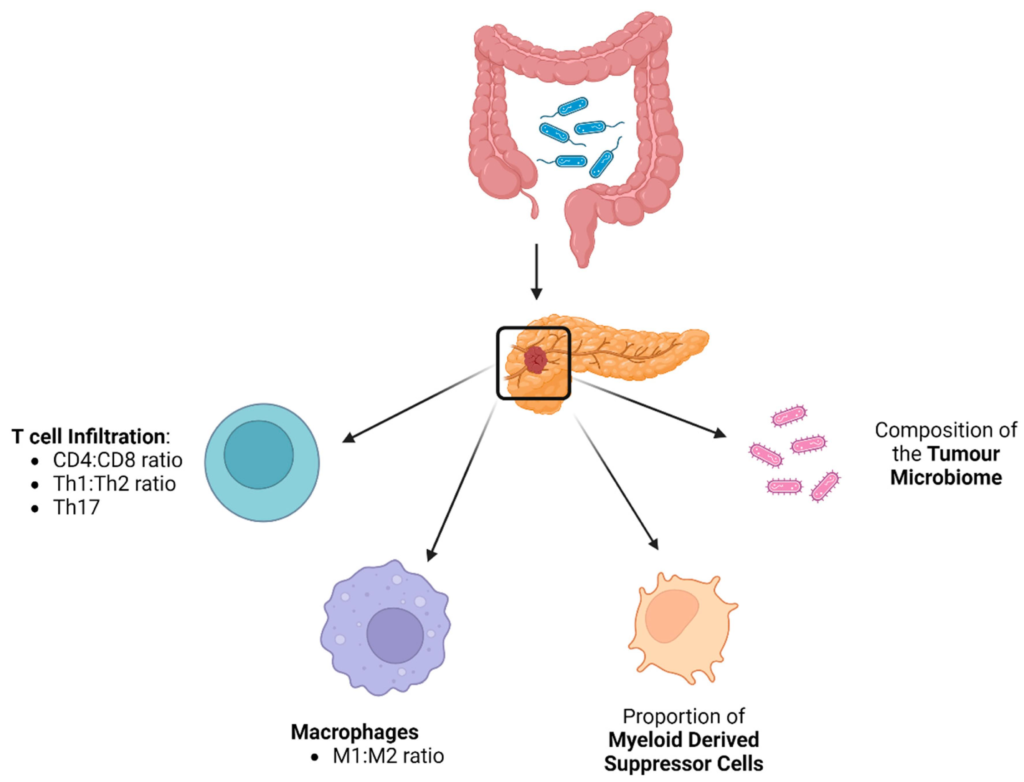
Another important study published in the October 2026 issue of Nature Cancer adds a different dimension to the relationship between diet, gut bacteria, and cancer immunity.
The research, titled Low-protein diet enhances antitumor immunity in pancreatic cancer through microbiota-derived UDP-galactose, was conducted by Yueying Chen and colleagues.
It investigated whether reducing dietary protein could influence pancreatic ductal adenocarcinoma through changes in gut microorganisms.
How Did the Low-Protein Diet Affect Gut Bacteria?
In experimental models, researchers found that a low-protein diet changed the composition of the gut microbiome and promoted anti-tumour immune activity.
One important bacterial species identified in the research was Blautia coccoides.
The researchers found that this bacterium produced a metabolite called uridine diphosphate galactose, commonly abbreviated as UDP-galactose.
This metabolite activated a signalling pathway involving P2Y14R and STAT1 in macrophages.
Macrophages are immune cells that can adopt different functional states depending on the signals they receive. Some macrophage states support anti-tumour activity, while others can contribute to an environment that allows cancer to grow.
The study found that the dietary intervention promoted an immunostimulatory tumour-associated macrophage phenotype.
Could UDP-Galactose Improve Immunotherapy?
The researchers also investigated the combination of the low-protein diet, Blautia coccoides, or UDP-galactose with anti-PD-1 treatment.
In the experimental models, these combinations improved survival compared with anti-PD-1 treatment alone.
The study also reported that lower levels of Blautia coccoides and serum UDP-galactose were associated with poorer outcomes in people with advanced pancreatic ductal adenocarcinoma.
This human observation is important, but it does not establish that a low-protein diet improves survival in cancer patients.
The intervention’s therapeutic effects were demonstrated in male mice, while the human findings were observational associations.
Therefore, the research provides a possible biological mechanism rather than an established dietary treatment for pancreatic cancer. PubMed
How Diet Can Change Gut Bacteria and Immune Activity
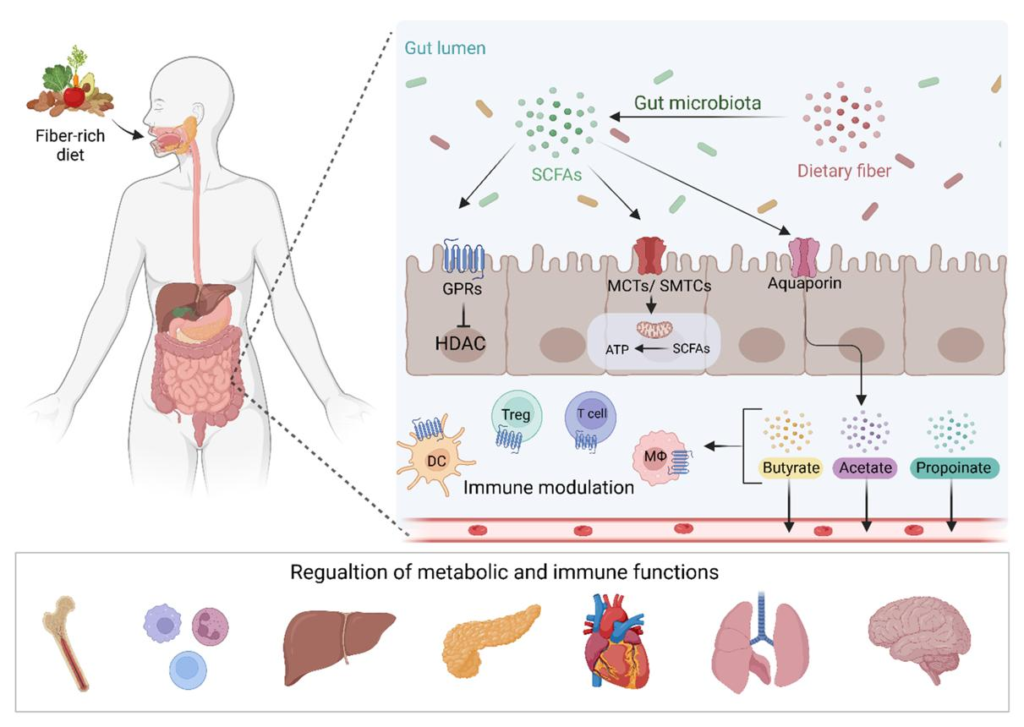
Food is one of the major environmental factors influencing the gut microbiome.
Different foods contain different nutrients, fibres, carbohydrates, fats, and proteins. These substances can influence which microorganisms grow and what metabolites they produce.
The relationship is complex because individual responses depend on genetics, existing microbial communities, medications, lifestyle, and health conditions.
Nevertheless, several nutritional components are particularly important in microbiome research.
Dietary Fibre and Beneficial Microbial Activity
Dietary fibre is found in vegetables, fruits, legumes, nuts, seeds, and whole grains.
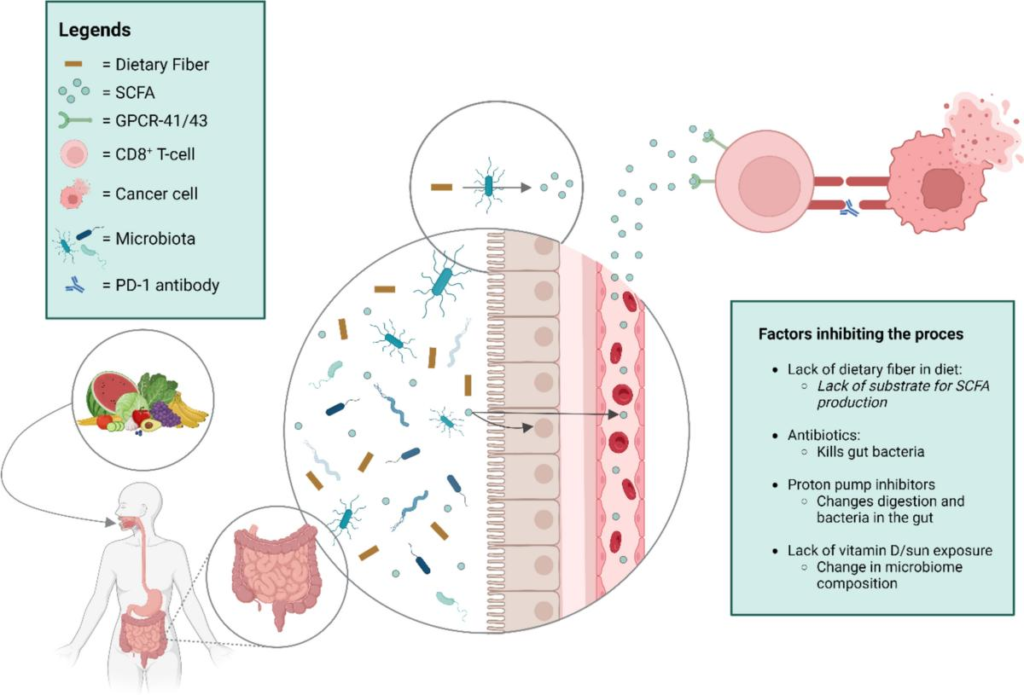
Unlike many digestible carbohydrates, certain types of fibre pass through the small intestine and reach the large intestine, where gut microorganisms ferment them.
This process produces short-chain fatty acids, including:
- Acetate
- Propionate
- Butyrate
These metabolites contribute to intestinal health and can influence immune signalling, inflammation, and cellular metabolism.
Butyrate is particularly interesting because it supports the cells lining the colon and participates in regulating immune activity.
Scientists are investigating whether microbial metabolites could eventually become useful tools for improving cancer immunotherapy.
However, the effects of individual metabolites are context-dependent. A substance that supports one immune pathway may have different effects in another tissue or disease setting.
Fermented Foods and Microbial Diversity
Fermented foods such as curd, yoghurt, and certain traditionally fermented vegetables contain microorganisms or fermentation products.
These foods may influence the gut microbial environment, although their effects vary according to preparation methods, microbial strains, and individual health.
Fermented foods should not be considered cancer treatments. Their possible role is as part of a balanced nutritional pattern.
Plant-Based Foods and Microbiome Health
A diverse diet containing plant-based foods can provide different types of fibres and nutrients to gut microorganisms.
Examples include:
Vegetables: Spinach, carrots, broccoli, cabbage, beans, and cauliflower provide fibre and other nutrients.
Fruits: Apples, bananas, guavas, papayas, and oranges provide different fibres and plant compounds.
Legumes: Lentils, chickpeas, kidney beans, green gram, and peas support dietary fibre intake.
Whole grains: Oats, brown rice, whole wheat, and millets provide complex carbohydrates and fibre.
Nuts and seeds: Almonds, walnuts, flaxseeds, and chia seeds contribute fibre and beneficial fats.
These foods can support general nutritional health and help maintain a diverse diet, but there is no established food combination that guarantees a better response to immunotherapy.
The Importance of Protein
Protein is necessary for maintaining muscles, repairing tissues, producing enzymes, and supporting immune-cell function.
The pancreatic cancer research involving a low-protein diet may appear to suggest that reducing protein is beneficial. However, its results cannot be generalised to all cancers or human patients.
People undergoing cancer treatment may already face weight loss, reduced appetite, muscle wasting, and nutritional deficiencies.
Restricting protein without medical supervision could worsen malnutrition and compromise recovery.
The appropriate protein intake depends on the individual’s nutritional status, cancer type, treatment, kidney function, and medical advice.
How Gut Bacteria Communicate With the Immune System
The gut microbiome does not need to physically enter a tumour to influence anti-tumour immunity. It can communicate with distant organs through metabolites, immune signalling molecules, and other biological pathways.
Several mechanisms are currently being investigated.
Microbial Metabolites and T-Cell Activity
T cells are among the most important immune cells involved in recognising and destroying cancer cells.
CD8-positive T cells, also called cytotoxic T cells, can identify abnormal cells and release substances that damage or destroy them.
Gut bacteria produce metabolites that may influence the development, movement, and activity of these immune cells.
Some metabolites can affect immune-cell gene expression and metabolic pathways, potentially influencing how effectively T cells respond to cancer.
The 2026 Nature study provides an example of this relationship through aromatic amino acid metabolites associated with Lactobacillus johnsonii.
Macrophages and Tumour Inflammation
Macrophages are another important component of the immune system.
They help remove damaged cells, recognise foreign material, and coordinate immune responses.
However, macrophages inside tumours can behave differently depending on their surrounding environment.
Some tumour-associated macrophages suppress immune responses and help cancer cells survive. Others can support anti-tumour immunity.
The pancreatic cancer study demonstrated how a microbiota-derived metabolite, UDP-galactose, could influence macrophage activity through the P2Y14R-STAT1 signalling pathway.
This suggests that dietary changes may potentially influence cancer immunity through several types of immune cells rather than only T cells. PubMed+1
The Role of the Intestinal Barrier
The intestinal lining acts as a protective barrier between gut microorganisms and the rest of the body.
Healthy intestinal barrier function helps regulate the movement of nutrients and microbial products.
When this barrier becomes disrupted, inflammatory substances and microbial components may interact with the immune system in ways that contribute to disease.
Researchers are investigating how microbiome balance, intestinal barrier function, and systemic inflammation interact during cancer development and treatment.
However, the relationship between intestinal permeability and cancer immunotherapy remains an active research area rather than an established clinical explanation for treatment response.
Could Specific Gut Bacteria Predict Cancer Treatment Response?
One of the most interesting possibilities is using gut microbial patterns as biomarkers.
A biomarker is a measurable biological feature that provides information about a disease, treatment response, or health condition.
If certain bacterial species or microbial metabolites consistently appear in patients who respond well to immunotherapy, they could potentially help researchers predict treatment outcomes.
For example, the 2026 research identified Lactobacillus johnsonii as a potentially important organism in experimental models.
The pancreatic cancer research identified Blautia coccoides and UDP-galactose as potentially relevant components of the diet–microbiome–immune pathway.
These discoveries raise the possibility that future cancer assessments could include microbiome-related measurements alongside conventional clinical information.
Microbiome Testing: What Could It Tell Us?
A stool microbiome test can identify microorganisms and, depending on the testing method, estimate their abundance or genetic characteristics.
More advanced approaches can investigate microbial genes and metabolic functions.
Potential future applications include identifying microbial patterns associated with immunotherapy sensitivity, understanding differences between responders and non-responders, and monitoring changes during treatment.
However, a commercial microbiome test cannot currently determine with established reliability whether a particular patient will respond to cancer immunotherapy.
The presence of one supposedly beneficial bacterium is not enough to predict an individual’s treatment outcome. Researchers need validated biomarkers, reproducible testing methods, and large clinical studies.
What Does This Research Mean for Everyday Nutrition?
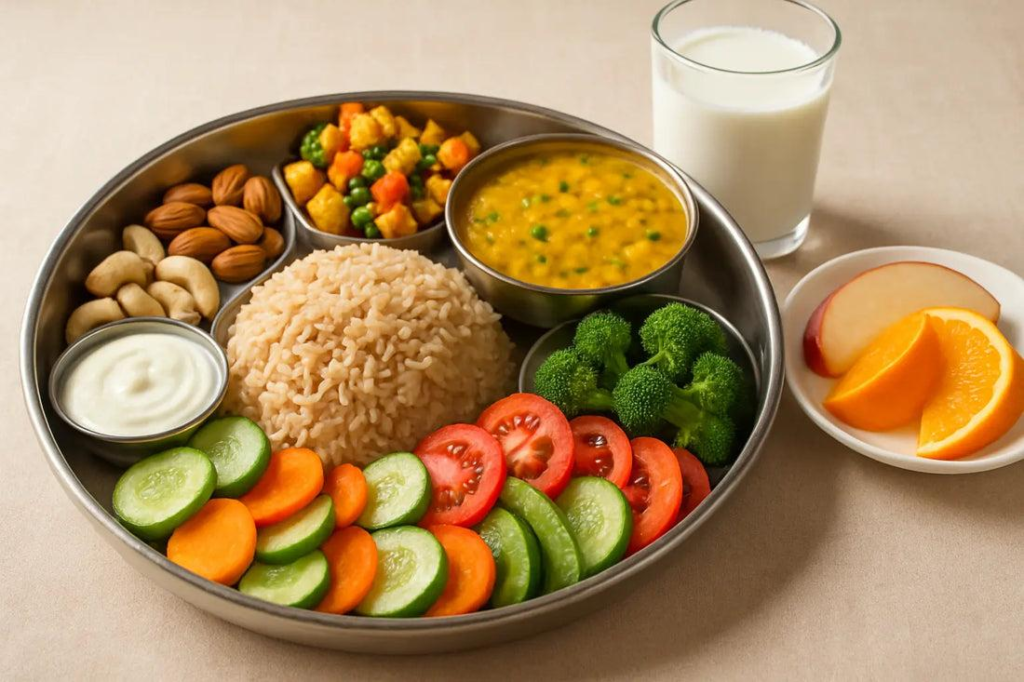
Although the research is not yet sufficient to establish a microbiome-based cancer diet, it reinforces the importance of good nutritional health.
A balanced eating pattern can support digestive function, maintain body weight, provide essential nutrients, and help people meet their nutritional needs during illness.
For general health, a varied diet containing fibre-rich foods, adequate protein, healthy fats, and micronutrients is a sensible approach.
Foods That Can Support a Healthy Gut Environment
| Food group | Examples | Nutritional contribution |
|---|---|---|
| Vegetables | Spinach, cabbage, carrots | Fibre and micronutrients |
| Fruits | Guava, apple, papaya | Fibre and vitamins |
| Legumes | Dal, chickpeas, rajma | Protein and fibre |
| Whole grains | Oats, millets, whole wheat | Complex carbohydrates and fibre |
| Fermented foods | Plain curd, yoghurt | Fermentation cultures |
| Nuts and seeds | Almonds, flaxseeds | Healthy fats and fibre |
These are general food choices for a balanced diet, not foods proven to improve immunotherapy outcomes.
An Example of a Balanced Indian Meal Pattern
For people without specific dietary restrictions, a balanced Indian eating pattern could include dal, seasonal vegetables, whole grains, fruit, and an appropriate source of protein.
Breakfast could include vegetable poha, oats, or besan chilla. Lunch might contain dal, roti or rice, cooked vegetables, and curd. Fruit and a small serving of nuts can be included as snacks. Dinner could include vegetable khichdi, dal, or another balanced meal.
However, patients receiving cancer treatment should have their nutritional requirements assessed individually. Those experiencing poor appetite, nausea, diarrhoea, mouth sores, or unintended weight loss may need different food choices and meal textures.
Can Probiotics and Prebiotics Improve Cancer Immunotherapy?
Probiotics and prebiotics are receiving increasing attention in microbiome research.
Probiotics are live microorganisms that provide a health benefit when administered in adequate amounts.
Prebiotics are substances used selectively by microorganisms in the body that provide a health benefit.
Certain dietary fibres can function as prebiotics. Examples include inulin and other fermentable carbohydrates.
Scientists are investigating whether these substances can support microbial communities associated with improved immune function.
Probiotics: Potential Benefits and Important Questions
Some probiotic strains have been studied for their effects on intestinal health and immune regulation.
However, probiotic effects are strain-specific. A benefit demonstrated for one bacterial strain cannot automatically be applied to every probiotic product.
Furthermore, cancer patients may have weakened immune systems, damaged intestinal barriers, or treatment-related complications.
In certain circumstances, live microbial supplements may carry risks, particularly in severely immunocompromised individuals.
Therefore, patients receiving chemotherapy, immunotherapy, or other cancer treatments should consult their oncology team before taking probiotic supplements.
Prebiotics and Dietary Fibre
Prebiotics are particularly interesting because they can influence microbial metabolism without necessarily introducing new living bacteria.
The October 2026 research discussed earlier highlights the importance of diet-driven microbial changes.
Other research published in 2026 has also investigated dietary fibre, inulin, butyrate, and anti-PD-1 immunotherapy.
In a separate experimental study, researchers reported that inulin supplementation reduced tumour growth and enhanced anti-PD-1 activity in mice. The effects were associated with changes in gut bacteria, short-chain fatty acids, and tumour-infiltrating T cells.
The researchers also examined dietary fibre intake and microbial characteristics in a cohort of 117 patients with non-small cell lung cancer.
These findings provide additional support for investigating nutritional approaches to influence the gut microbiome. However, the experimental treatment effects should not be interpreted as proof that inulin supplements improve survival in human cancer patients. PubMed
Can Fecal Microbiota Transplantation Help Cancer Patients?
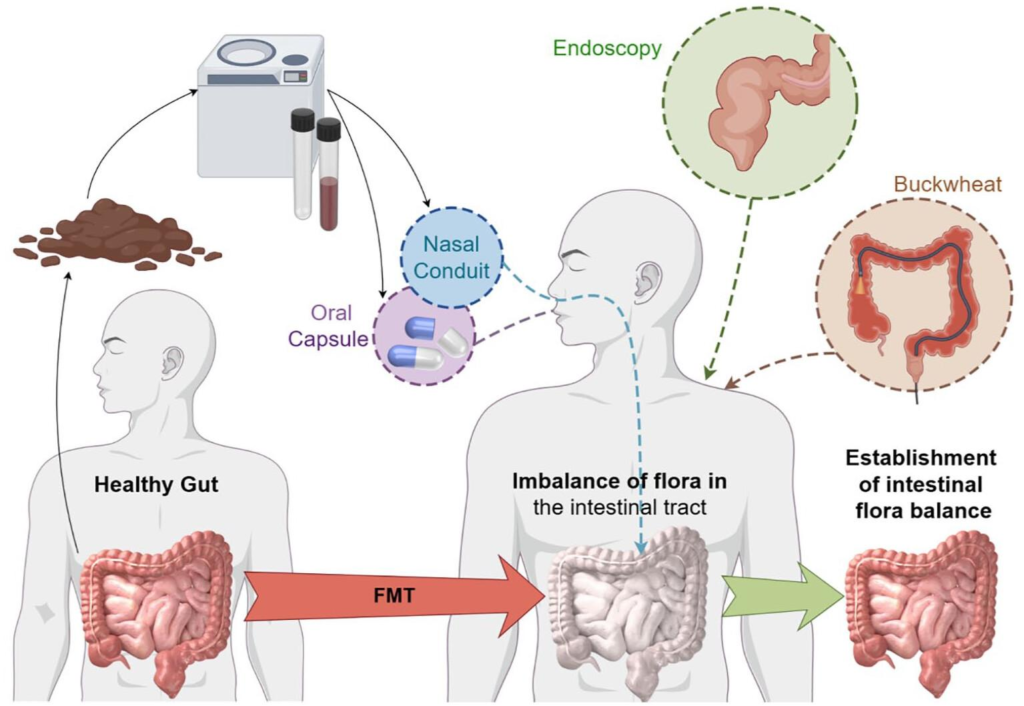
Fecal microbiota transplantation, commonly called FMT, involves transferring processed stool-derived microorganisms from a donor into a recipient’s digestive system.
The aim is to introduce a microbial community that may help restore or modify the recipient’s gut ecosystem.
FMT is already used in specific medical circumstances, particularly certain recurrent Clostridioides difficile infections. Its potential role in cancer treatment is being investigated separately.
Why Are Researchers Studying FMT in Cancer?
Some patients do not respond adequately to immune checkpoint inhibitors.
Researchers have therefore investigated whether transferring microbiota from immunotherapy responders could influence treatment sensitivity in non-responders.
Experimental studies have suggested that changing the gut microbiome can affect anti-tumour immune responses.
The 2026 Nature research adds another important dimension by showing that diet and microbial transplantation can interact to influence immunotherapy sensitivity in experimental models.
This suggests that microbiome-based treatments may eventually require personalised approaches rather than simply transferring bacteria from one person to another.
Is FMT Ready for Routine Cancer Treatment?
No. FMT for improving cancer immunotherapy remains an investigational approach.
Its safety and effectiveness depend on donor screening, microbial composition, recipient health, and the treatment setting.
Transferring microorganisms can also introduce unwanted pathogens or other risks.
Patients should never attempt DIY microbiota transplantation or obtain unregulated stool-based treatments.
Clinical research and medical supervision are essential before such interventions can become routine cancer care.
Why These Findings Matter for the Future of Personalised Cancer Treatment
The emerging diet–microbiome–immune connection may contribute to a broader shift towards personalised cancer treatment.
Traditional treatment planning often considers tumour type, stage, genetic characteristics, and the patient’s general medical condition.
In the future, researchers may also investigate an individual’s gut microbial composition and metabolic activity.
Combining Nutrition With Cancer Treatment
A potential future strategy could involve assessing a patient’s dietary intake and microbiome before beginning immunotherapy.
Researchers could then identify microbial characteristics associated with treatment response and investigate whether targeted nutritional interventions can improve the gut environment.
Such approaches might include adjusting dietary fibre, studying specific microbial metabolites, or developing carefully selected microbiome-based treatments.
However, these possibilities need to be tested in clinical trials before being recommended as standard medical practice.
Personalised Microbiome-Based Treatments
Two patients with the same cancer type may have very different gut microbiomes.
Their microbial communities may differ because of previous antibiotic exposure, dietary habits, geography, age, medication use, and other environmental factors.
Consequently, the same probiotic, dietary supplement, or nutritional intervention may not produce identical results in everyone.
Future research may therefore focus on identifying the combination of microbial species, metabolites, and dietary conditions that produces a favourable immune response in particular patient groups.
This could eventually lead to more personalised nutritional support alongside established cancer therapies.
Limitations of the October 2026 Research
Although the findings are promising, it is essential to understand what the research has and has not established.
Much of the Evidence Comes From Animal Models
The central Nature study used 12 dietary models in mice. It also used human-to-mouse microbiota transplantation to investigate microbial effects.
Mouse studies are valuable because researchers can control dietary conditions, microbial exposure, and treatment variables.
However, mice and humans differ in their microbiome composition, immune systems, metabolism, and responses to cancer treatment.
A dietary intervention that improves tumour regression in mice may not produce the same effect in people.
Obesity-Related Findings Are Not Dietary Recommendations
The finding that certain obesogenic diets improved immunotherapy sensitivity in experimental models is particularly important to interpret carefully.
It does not demonstrate that obesity improves overall cancer outcomes or that high-fat, high-calorie diets should be recommended.
The researchers identified interactions between diet and gut microorganisms, not a general health benefit of obesity.
Further research is needed to identify the specific dietary components and microbial mechanisms responsible for the observed effects.
Different Cancers May Respond Differently
The main Nature study and the pancreatic cancer research investigated different biological settings.
The microbial mechanisms involved in one tumour type may not apply to another.
Cancer types also differ in their genetic characteristics, tumour microenvironments, immune-cell populations, and sensitivity to immunotherapy.
Therefore, findings from pancreatic cancer models cannot automatically be applied to lung cancer, melanoma, breast cancer, or other malignancies.
Human Clinical Evidence Remains Limited
The human microbiota findings in the main Nature study involved transferring human samples into mice.
The pancreatic cancer study reported associations between microbial or metabolic measurements and outcomes in people, but the dietary intervention itself was demonstrated in mice.
Neither finding establishes that prescribing a particular diet will improve immunotherapy response or extend survival in human patients.
The Gut Microbiome Is Highly Individual
Microbial composition can change with diet, medication, illness, and environmental conditions.
Antibiotics, for example, can significantly affect gut microbial communities.
A bacterial species associated with a favourable response in one study may not have the same effect in another population.
Researchers therefore need larger and more diverse clinical studies to establish reliable microbial biomarkers and interventions.
Nutritional Safety Must Remain a Priority
Restrictive diets can be particularly dangerous for people with cancer.
Patients may experience reduced appetite, muscle loss, digestive symptoms, and increased nutritional requirements during treatment.
A low-protein diet, fasting programme, or high-dose supplement regimen should never be adopted simply because an experimental study reported an anti-tumour effect.
Maintaining adequate energy, protein, fluids, and essential nutrients remains important throughout cancer care.
What Future Research Needs to Investigate
The next stage of research should focus on determining whether dietary and microbiome interventions can safely improve immunotherapy outcomes in humans.
Researchers will need large clinical trials involving patients with different cancer types and treatment histories. These trials should investigate dietary composition, gut microbial diversity, microbial metabolites, immune-cell activity, and long-term treatment outcomes.
It will also be important to understand whether specific dietary changes can consistently improve treatment sensitivity without causing nutritional deficiencies.
Another important research direction involves identifying microbial metabolites that could be developed into targeted therapies. Instead of changing the entire gut microbiome, scientists may eventually be able to influence particular bacterial functions or metabolic pathways.
The combination of nutritional science, microbiology, immunology, and personalised medicine could create new opportunities for supporting cancer treatment.
Conclusion: Could Your Diet Influence the Effectiveness of Cancer Immunotherapy?
The relationship between diet, gut bacteria, and cancer immunotherapy is becoming an important area of modern medical research.
The September 2026 Nature study and its October discussion in Cell Metabolism suggest that dietary composition can influence gut microbial communities and potentially affect the immune system’s ability to respond to cancer treatment.
The identification of Lactobacillus johnsonii and microbiota-derived aromatic amino acid metabolites provides insight into how diet and microorganisms may work together to support anti-tumour immunity. Meanwhile, the October 2026 pancreatic cancer research involving Blautia coccoides and UDP-galactose offers another example of how dietary interventions may influence immune-cell activity.
Together, these findings suggest that the gut microbiome could become an important consideration in future personalised cancer treatment.
However, the scientific evidence is still developing. Much of the promising intervention research has been conducted in animals, and the benefits of specific dietary changes have not yet been established through sufficiently strong human clinical trials.
For now, the most sensible approach is to maintain adequate nutrition, eat a varied and balanced diet, and seek individualised dietary guidance during cancer treatment.
The future of cancer care may involve more than targeting cancer cells. It may also involve understanding how food, gut microorganisms, and the immune system work together.