Introduction
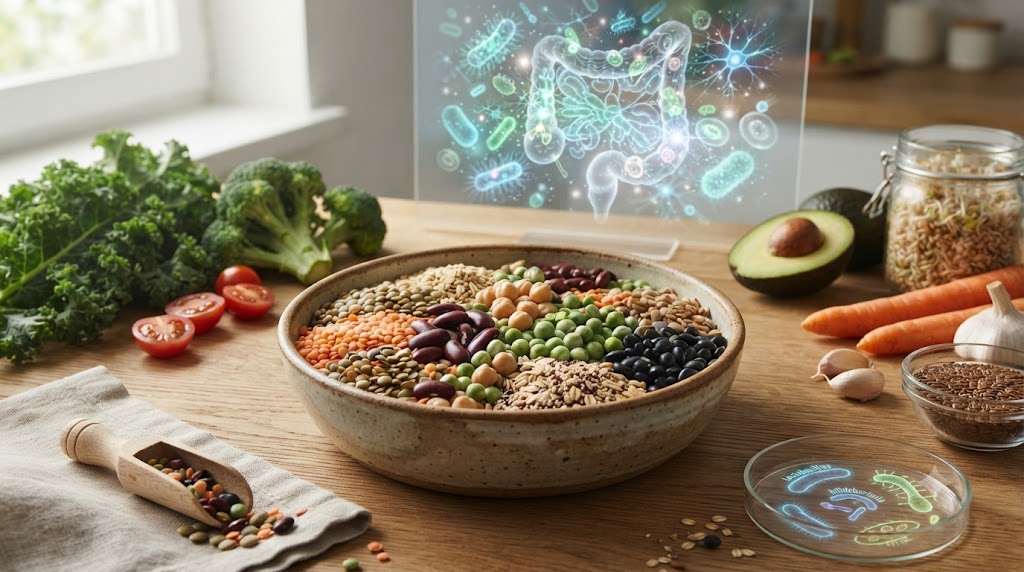
Beans, lentils, peas and other legumes have long been recognized as affordable sources of plant protein. But newer nutrition research is revealing that their benefits may extend far beyond protein. These foods contain dietary fiber, resistant starch, polyphenols, vitamins, minerals and other bioactive compounds that can interact with the trillions of microorganisms living in the digestive tract. 🦠🌱
This has led scientists to look more closely at an important question: Could plant protein foods also help shape a healthier gut microbiome?
The answer appears to be more complicated—and more interesting—than simply saying that plant protein is “good for the gut.” What matters is the entire food matrix, the type of legume consumed, preparation methods, the person’s existing microbiome and the overall dietary pattern.


🫘 Why Beans, Lentils and Peas Are Different From Many Protein Foods
Protein is often considered the main reason to eat legumes. A serving of cooked lentils, chickpeas, beans or peas can contribute meaningful amounts of protein while also delivering substantial amounts of carbohydrate and fiber.
That combination is important.
Unlike isolated protein powders, legumes are whole or minimally processed foods. Their protein comes packaged with fiber and numerous plant compounds. When legumes reach the digestive system, some of their carbohydrates and fibers escape digestion in the small intestine and become available to microbes in the colon.
The result is a food that can potentially influence both human metabolism and microbial metabolism.
For this reason, researchers increasingly examine legumes as a package rather than evaluating their protein content alone.
🦠 The Gut Microbiome Connection
The gut microbiome consists of a complex community of bacteria and other microorganisms. These organisms participate in the breakdown of food components that humans cannot completely digest.
One of the most important substrates for beneficial gut microbes is dietary fiber.
When certain fibers and resistant carbohydrates are fermented, microbes can produce compounds known as short-chain fatty acids (SCFAs), including acetate, propionate and butyrate.
Butyrate is particularly interesting because it serves as an important energy source for cells lining the colon.
Research into dietary fiber and the microbiome suggests that diets rich in diverse plant foods can provide substrates that support a more metabolically active microbial ecosystem.
Legumes can contribute significantly to this process.
🌾 Fiber: The Hidden Strength of Legumes
When people think about protein, they often overlook fiber. Yet this may be one of the most important reasons legumes are relevant to gut health.
Beans, lentils and peas contain different types of fiber, including soluble and insoluble fractions. Some components are fermented by gut microorganisms, while others influence stool bulk and intestinal movement.
This means a meal containing lentils or beans can potentially perform several nutritional roles at once:
Protein → supports muscle and tissue maintenance.
Fiber → provides material for intestinal microbes.
Resistant starch → can reach the colon and undergo fermentation.
Polyphenols → may interact with microbes and their metabolic pathways.
Micronutrients → contribute to overall nutritional quality.
The combination makes legumes fundamentally different from many highly refined protein products.
🧬 Resistant Starch and the Gut
Another fascinating component of some legumes is resistant starch.
Resistant starch behaves differently from ordinary digestible starch. A portion can pass through the small intestine without being completely broken down and may subsequently become available to microorganisms in the large intestine.
Cooking and cooling can influence starch structure, although the exact amount of resistant starch varies according to the food and preparation method.
This matters because microbial fermentation of resistant starch can contribute to the production of short-chain fatty acids.
Researchers are particularly interested in how these microbial metabolites interact with the intestinal lining, immune signaling and metabolism.
However, it is important not to interpret this as meaning that every serving of beans will produce the same microbiome response. Individual microbiomes differ substantially.
🥣 Beans and the Diversity of the Microbiome
A healthy microbiome isn’t simply about having more bacteria.
Scientists are interested in factors such as:
- microbial diversity
- microbial metabolic activity
- production of beneficial metabolites
- intestinal barrier function
- interactions with the immune system
Legumes can contribute to dietary diversity because they introduce different fermentable substrates into the digestive tract.
For example, black beans, kidney beans, chickpeas, green peas and lentils have different nutritional compositions and contain different mixtures of carbohydrates, fibers and plant compounds.
This suggests an important nutritional principle:
🌈 Diversity may matter more than focusing on one “superfood.”
Instead of eating enormous quantities of a single food, incorporating different legumes into an otherwise diverse diet may provide a broader range of substrates for the gut microbiome.
🫘 Lentils: A Particularly Interesting Food
Lentils are among the most practical plant-protein foods.
They provide protein, fiber, folate, iron, potassium and various plant compounds while generally being relatively inexpensive.
For gut health, their combination of protein and fermentable carbohydrate makes them particularly interesting.
A bowl of dal, for example, is not simply a protein meal. Depending on preparation, it can deliver several components that interact with digestion and the microbiome.
In South Asian diets, lentils and pulses can also be combined with vegetables, whole grains and fermented foods, potentially creating an even more diverse nutritional environment.
🍲 A simple example
A meal containing:
Dal + vegetables + brown rice + fermented yogurt
provides substantially more dietary diversity than an isolated protein shake.
The microbiome responds to the overall food environment, not just the grams of protein printed on a nutrition label.
🟢 What About Peas?
Peas are another useful plant-protein food.
Green peas provide fiber, protein and various micronutrients. Yellow peas and split peas are also widely used in soups, dals and plant-based protein products.
Pea protein has become particularly popular in the plant-based food industry because it can be concentrated into protein powders and meat alternatives.
But an important distinction should be made.
Whole peas vs. pea protein isolate
Whole peas contain:
Protein + fiber + carbohydrates + micronutrients + plant compounds
A highly purified pea protein isolate primarily provides:
Protein
This does not mean pea protein isolate is unhealthy. It simply means its nutritional and microbiome effects cannot automatically be assumed to be identical to those of whole peas.
The food matrix matters.
🧪 New Research Is Moving Beyond “Good Bacteria”
Earlier discussions about gut health often focused on whether a food increased “good bacteria.”
Modern microbiome research is becoming more sophisticated.
Scientists increasingly ask:
What are the microorganisms actually producing?
Two people could have different microbial communities but still produce similar beneficial metabolites.
Conversely, simply increasing the abundance of a particular bacterial species does not necessarily guarantee better health.
This is why researchers are increasingly investigating:
- microbial metabolites
- short-chain fatty acids
- bile-acid metabolism
- intestinal barrier function
- immune signaling
- glucose metabolism
- interactions between diet and host genetics
Legumes provide an excellent model for studying these interactions because they contain several different substrates that microbes can use.
🔬 Plant Protein, Gut Microbes and Metabolism
One of the most exciting research areas concerns the relationship between the gut microbiome and metabolic health.
Dietary patterns rich in legumes and other plant foods are associated with favorable cardiometabolic outcomes in many observational and intervention studies.
But scientists need to separate several effects.
Is the benefit coming from:
the protein?
the fiber?
lower intake of saturated fat?
higher intake of micronutrients?
changes in gut microbial metabolites?
Or is it the combined effect of all these factors?
The likely answer is that multiple pathways contribute.
This is why it is misleading to describe legumes simply as “protein foods.” They are complex foods with several biologically active components.
❤️ Could Legumes Support Heart Health Too?
The gut-heart connection is another important research area.
High-fiber dietary patterns may influence cholesterol metabolism, blood glucose regulation and other cardiovascular risk factors.
Replacing some animal-based foods—particularly foods high in saturated fat—with legumes can also change the overall composition of the diet.
For example, replacing a highly processed meat meal with lentils does more than add plant protein. It can simultaneously increase fiber and reduce certain dietary components.
That dietary substitution can be important.
The question is often not:
“Are beans healthier than meat?”
A better question is:
“What happens when beans replace a particular food in the overall diet?”
This distinction is crucial when interpreting nutrition studies.
🧠 The Gut-Brain Connection
The gut microbiome is also connected with the nervous system through multiple pathways, sometimes described collectively as the gut-brain axis.
Diet can influence microbial metabolism, immune activity and the availability of microbial metabolites.
However, claims that eating beans directly improves mood or prevents neurological disease are currently much stronger than the evidence allows.
What can reasonably be said is that legumes can contribute to a dietary pattern associated with good overall nutritional quality, and researchers are continuing to investigate how diet-microbiome interactions influence brain health.
The science is promising—but still developing. 🧠🦠
💨 Why Do Beans Sometimes Cause Gas?
There is one reason some people hesitate to increase legumes: digestive discomfort.
Beans and other legumes contain fermentable carbohydrates, including certain oligosaccharides. Humans do not completely digest some of these compounds in the small intestine.
Gut microbes ferment them in the colon.
That fermentation can produce gas.
For some people, increasing legumes suddenly can therefore cause:
- bloating
- abdominal discomfort
- increased gas
- changes in bowel habits
This does not necessarily mean that legumes are harmful.
It can reflect the interaction between the food, the person’s microbiome and the sudden increase in fermentable carbohydrate.
🌱 Can the Gut Adapt?
Possibly.
Introducing fiber-rich foods gradually may allow the digestive system and microbial community to adapt.
Instead of suddenly moving from a low-fiber diet to several large servings of beans every day, a person might gradually increase portions.
For example:
Week 1: small portions several times per week.
Week 2: moderate portions more regularly.
Week 3 and beyond: adjust according to individual tolerance.
Adequate fluid intake and varied plant foods can also support a high-fiber eating pattern.
People with diagnosed gastrointestinal conditions may need individualized advice from a qualified healthcare professional, because tolerance varies considerably.
🍲 Does Cooking Change the Benefits?
Yes.
Preparation can influence the digestibility and composition of legumes.
Soaking, boiling, pressure cooking, sprouting and fermentation can modify various compounds and affect how easily the food is digested.
Traditional cooking methods may therefore have nutritional importance beyond taste.
For example, properly cooked legumes are generally easier to digest than raw or inadequately cooked beans.
Canned legumes can also be convenient. Rinsing canned beans can reduce sodium, depending on the product.
The healthiest option is usually the one that makes it practical for a person to eat legumes regularly.
🌾 Legumes and the Traditional Indian Diet
The relationship between legumes and gut health is particularly relevant in India.
Indian diets have a long tradition of consuming:
- dal
- chana
- rajma
- moong
- masoor
- urad
- matar
- chickpeas
- peas
- other pulses and legumes
These foods can be combined with vegetables, whole grains, spices and fermented foods.
Traditional dishes such as dal, khichdi, chana preparations and various pulse-based meals demonstrate that plant protein does not need to come from modern protein powders or heavily processed products.
🇮🇳 The traditional plate may already contain a microbiome-friendly principle:
variety + fiber + plant protein + minimally processed foods.
Modern nutrition research is now investigating mechanisms that may help explain why such dietary patterns can be beneficial.
🧫 Personalized Nutrition: One Diet May Not Fit Everyone
One of the biggest developments in nutrition science is the recognition that people can respond differently to the same food.
Two people may eat the same bowl of lentils and experience different digestive responses.
Why?
Their:
- gut microbiomes
- genetics
- habitual diets
- physical activity
- metabolic health
- medication exposure
- sleep patterns
may differ.
This has contributed to growing interest in personalized nutrition.
In the future, researchers may be able to use microbiome information to determine which types and quantities of fiber-rich foods work best for particular individuals.
However, consumer microbiome testing is still an evolving area, and many commercial claims currently go beyond established evidence.
🌱 Whole Plant Foods vs. Highly Processed Plant Foods
The phrase “plant-based” covers an enormous range of products.
A bowl of lentils is very different from an ultra-processed plant-based snack.
A food can be plant-derived while still being:
- highly refined
- high in sodium
- high in added sugars
- low in fiber
- heavily processed
Therefore, the gut-health benefits associated with legumes should not automatically be transferred to every food marketed as “plant protein.”
A useful hierarchy is:
Whole legumes → minimally processed legume foods → concentrated protein products → highly processed plant-based foods
The further a food moves away from the original whole food, the more carefully its complete nutritional profile should be evaluated.
🥗 How Much Plant Protein Should You Eat?
There is no single ideal amount for everyone.
Protein needs depend on age, body size, physical activity, pregnancy status, health conditions and other factors.
For general healthy eating, legumes can be included regularly as part of a balanced diet.
A practical approach is to rotate different foods rather than relying exclusively on one protein source.
For example:
Breakfast
Oats + nuts + seeds + fruit
Lunch
Dal + vegetables + whole grain
Snack
Roasted chickpeas or peas
Dinner
Bean or lentil curry + vegetables
This creates a broader nutritional pattern than simply adding a protein powder to a low-fiber diet.
⚠️ Are There Any Downsides?
Legumes are generally nutritious foods, but there are circumstances where individual tolerance matters.
People with certain digestive disorders may experience symptoms after consuming particular legumes.
Some individuals may also need to pay attention to preparation methods, portion sizes or mineral considerations depending on their health status.
Another consideration is that plant proteins may have different amino-acid profiles and digestibility compared with some animal proteins.
This does not make plant protein inferior. A varied diet can provide all essential amino acids.
For people following completely plant-based diets, combining different protein-rich plant foods throughout the day can help ensure adequate overall protein and micronutrient intake.
🔬 What Scientists Still Don’t Know
Despite exciting findings, important questions remain.
Researchers are still trying to determine:
Which specific microbial changes are responsible for health improvements?
How long do microbiome changes persist?
Does eating different legumes produce distinct microbial effects?
How much fiber is optimal for different individuals?
How does cooking modify microbiome-related effects?
Can personalized microbiome data improve dietary recommendations?
These questions demonstrate why gut-health research should be interpreted carefully.
The microbiome is extraordinarily complex, and nutrition rarely operates through a single mechanism.
🌍 The Bigger Picture: Eat for the Microbiome, Not Just the Protein
The most important lesson from emerging research may be that food should not be judged by one nutrient.
Beans, lentils and peas are valuable because they deliver a package of nutrients and bioactive compounds.
Their protein supports body tissues.
Their fiber feeds microbial communities.
Their resistant carbohydrates can undergo fermentation.
Their plant compounds interact with biological pathways.
And their inclusion in the diet may help replace less nutritious foods.
That combination makes legumes particularly interesting in the context of modern nutrition science.
🥄 Simple Ways to Add More Legumes
Adding legumes doesn’t require completely changing your diet.
You can start by adding lentils to soups, replacing part of a meat-based meal with beans, adding chickpeas to salads, preparing dal more frequently or using peas in vegetable dishes.
Another useful strategy is variety.
Instead of eating the same pulse every day, rotate different legumes across the week.
This can increase dietary diversity while keeping meals interesting.
🧠 Final Takeaway
The new science surrounding plant protein and gut health suggests that beans, lentils and peas are much more than protein sources. Their fiber, resistant carbohydrates and plant compounds create opportunities for interaction with the gut microbiome.
The strongest takeaway isn’t that one particular legume is a miracle food. Instead, it is that regular consumption of diverse, minimally processed plant foods can contribute to a diet that supports both human nutrition and microbial health. 🌱🦠
As research advances, scientists are increasingly moving from the simple question of “How much protein does this food contain?” toward a broader question: “What does this entire food do inside the body—and how does it interact with our microbiome?”
For most people, that makes a colorful variety of beans, lentils, peas and other plant foods a valuable part of a balanced eating pattern.
Healthy gut nutrition may not be about finding one perfect food—it may be about giving the microbiome a diverse menu. 🌿