

🌿 How to Build a Healthy Daily Routine
A healthy lifestyle does not require a perfect schedule, expensive equipment, or dramatic changes. Often, the biggest improvements come from simple habits repeated consistently.
A daily routine can provide structure for eating, sleeping, physical activity, work, relaxation, and personal time. When these activities are organized thoughtfully, it becomes easier to make healthy choices and avoid relying on last-minute decisions.
Building a healthy routine is not about filling every minute of your day. It is about creating a realistic rhythm that supports your physical health, mental well-being, productivity, and relationships.
Whether you are a student, professional, parent, or simply trying to improve your lifestyle, small changes can make a meaningful difference. 🌱
☀️ Start Your Morning With Purpose
How you begin your morning can influence how you approach the rest of the day.
You do not need to wake up at 5 a.m. or follow an elaborate morning routine. The best schedule is one that fits your lifestyle and allows you to get adequate sleep.
After waking, give yourself a few minutes to transition into the day.
Open the curtains, drink some water, wash up, and take a moment to decide what you need to accomplish.
Try to avoid immediately getting trapped in social media or unnecessary notifications. Starting the morning with constant digital stimulation can make the day feel rushed before it has even begun.
Instead, consider beginning with a calm activity such as stretching, reading, journaling, or simply enjoying breakfast.
💧 Make Hydration a Habit
Water is essential for normal body functions.
Starting your morning with water can be a simple way to establish a hydration habit, although there is no requirement that everyone drink a specific amount immediately after waking.
Keep water accessible throughout the day.
Your fluid needs depend on factors such as activity, climate, diet, age, and health status.
If you exercise or spend time outdoors in hot weather, your fluid requirements may increase.
Water is generally a good everyday beverage choice. 💧
🥗 Eat a Nutritious Breakfast
Breakfast is not mandatory for everyone, but if you enjoy eating in the morning, choose foods that provide useful nutrients.
A balanced breakfast might include a combination of protein, fiber-rich carbohydrates, fruits or vegetables, and healthy fats.
Examples include:
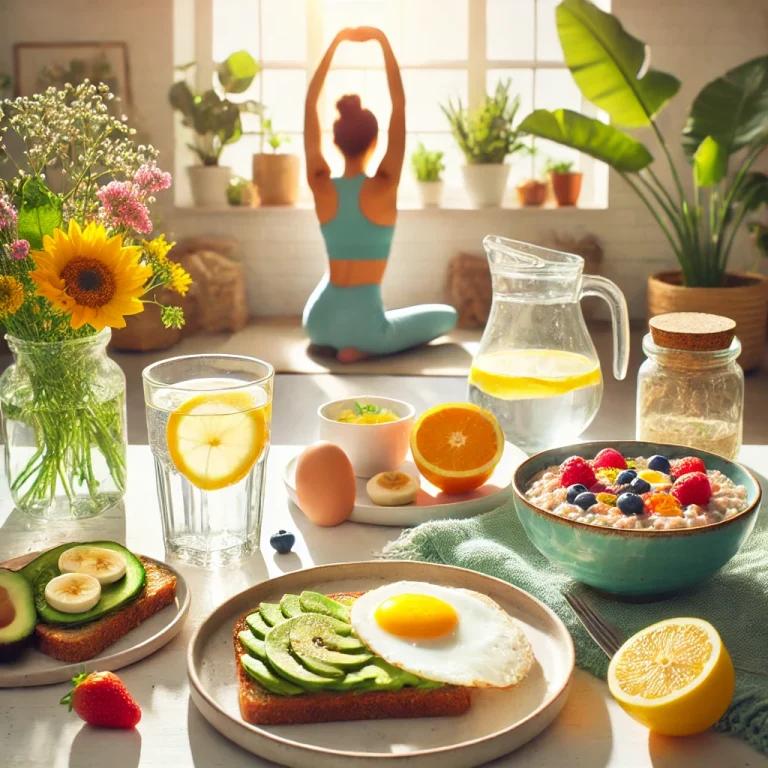
🍳 Eggs with whole-grain toast and vegetables
🥣 Oatmeal with fruit, yogurt, and nuts
🍌 A fruit and yogurt bowl with seeds
🥑 Whole-grain toast with avocado and eggs
The goal is not to create an elaborate meal.
Choose something nutritious that is practical for your schedule.
🧘 Include a Few Minutes of Mindfulness
Your mental health deserves attention just as much as your physical health.
A few quiet minutes can help you transition into the day.
Try deep breathing, meditation, prayer, journaling, or simply sitting quietly without checking your phone.
You do not need to spend 30 minutes meditating to benefit from a calmer start.
Even five minutes can become a useful habit.
If mornings are too busy, schedule this activity for another part of the day.
🏃 Make Movement Part of Your Day
Physical activity is one of the most important components of a healthy lifestyle.
You do not need to spend hours in a gym.
Walking, cycling, swimming, dancing, playing sports, strength training, yoga, and other activities can all contribute to physical fitness.
For beginners, start with manageable amounts.
A 20–30 minute walk may be more sustainable than an intense workout that you quickly abandon.
The key is consistency.


🪑 Avoid Sitting for Too Long
Even if you exercise regularly, spending most of your day sitting can limit the amount of movement you get.
If you work at a desk, take regular movement breaks.
Stand up, walk around, stretch, refill your water bottle, or perform a brief mobility exercise.
You can also incorporate movement into everyday activities.
For example, walk during phone calls when practical, use stairs instead of an elevator when appropriate, or take a short walk during lunch.
The goal is to make movement a normal part of your day rather than something that happens only during a formal workout.
💻 Create a Productive Work or Study Schedule
A healthy routine should include productivity without making you feel constantly busy.
Start your work or study period by identifying the most important tasks.
Instead of trying to accomplish everything simultaneously, prioritize a few key activities.
You can divide larger tasks into smaller steps.
For example:
Task: Complete a project.
Step 1: Research the topic.
Step 2: Organize the information.
Step 3: Write the first draft.
Step 4: Review and improve it.
This approach can make large responsibilities feel more manageable.
Remember to take breaks.
Continuous work without rest can reduce concentration and increase fatigue.
📱 Manage Your Screen Time
Phones, computers, and other devices are useful, but excessive or poorly managed screen use can interfere with sleep, movement, concentration, and social interaction.
Create specific times to check email and social media rather than checking notifications continuously.
You can also turn off unnecessary notifications.
During meals, conversations, exercise, and focused work, consider putting your phone away.
A healthy routine does not require eliminating technology.
It means using technology intentionally.
🥜 Plan Healthy Snacks
If you become hungry between meals, having nutritious snacks available can make healthy choices easier.
Options can include:
🍎 Fresh fruit
🥜 A small serving of nuts
🥛 Plain or unsweetened yogurt
🥕 Vegetables with hummus
🥚 Boiled eggs
🫘 Roasted chickpeas
You do not need to snack simply because the clock says it is snack time.
Pay attention to your hunger and fullness.
🥗 Make Lunch Balanced
Lunch can be a useful opportunity to include several food groups.
A simple lunch might contain vegetables, a protein-rich food, and an appropriate carbohydrate source.
For example:
🥗 Vegetable and chickpea salad with whole grains
🌯 Whole-grain wrap with chicken or tofu and vegetables
🍚 Rice with lentils and mixed vegetables
🥣 Vegetable soup with beans and whole-grain bread
The exact combination depends on your dietary preferences and nutritional needs.
Preparing lunch at home can also make it easier to control ingredients and portions, although eating at restaurants occasionally can fit into a healthy lifestyle too.
🚶 Take an Afternoon Break
Many people experience an energy dip during the afternoon.
Instead of immediately reaching for another cup of caffeine or spending the entire break scrolling on your phone, try changing your environment.
Take a short walk.
Stretch.
Get some fresh air.
Drink water.
Talk to a colleague.
These small breaks can help divide the day into manageable sections.
🧠 Protect Your Mental Well-Being
A healthy routine should not focus entirely on productivity.
Make time for activities that you enjoy.
Read a book, listen to music, spend time with friends, pursue a hobby, cook, garden, play a sport, or simply relax.
Leisure is not wasted time.
Rest and enjoyable activities can be important parts of maintaining overall well-being.
If you are experiencing persistent anxiety, low mood, overwhelming stress, or other mental-health concerns, consider speaking with an appropriate healthcare professional.
🏠 Create an Evening Routine
Your evening routine can help you transition from work and daily responsibilities toward relaxation.
Start by finishing essential tasks and gradually reducing stimulating activities.
You might prepare your clothes for tomorrow, organize your workspace, prepare breakfast ingredients, or write down your priorities for the next day.
Completing small preparations at night can make your morning less stressful.
🍽️ Have a Relaxed Dinner
Dinner does not need to be complicated.
Try to include a variety of nutritious foods such as vegetables, protein-rich foods, and appropriate carbohydrate sources.
Eating slowly can make meals more enjoyable and may help you pay attention to hunger and fullness signals.
Whenever possible, make meals a screen-free opportunity.
Put your phone aside and enjoy conversation with family or friends.
If you live alone, you can use mealtime as an opportunity to slow down and focus on your food.
🌙 Develop a Consistent Sleep Schedule
Sleep is one of the foundations of a healthy daily routine.
Most adults need adequate sleep, although individual requirements vary.
Try to maintain relatively consistent sleeping and waking times.
A relaxing bedtime routine can signal to your body that it is time to wind down.
You might:
📖 Read
🧘 Practice relaxation
🎵 Listen to calm music
🚿 Take a warm shower
📝 Write tomorrow’s priorities
📱 Reduce stimulating screen activities
Your bedroom should ideally be comfortable, dark, quiet, and associated with sleep.


📵 Create a Pre-Bed Screen Boundary
Late-night phone use can make it easy to delay bedtime.
You may intend to check one message but end up scrolling for another hour.
Try creating a screen-free period before sleep.
If you need your phone for an alarm or important calls, use settings that silence unnecessary notifications.
You can also charge the phone farther away from your bed.
This simple change can reduce the temptation to check it repeatedly.
📝 Plan Tomorrow Before Going to Bed
Take five minutes to prepare for the next day.
Write down your top priorities.
Check your schedule.
Prepare your clothes.
Pack your bag.
Prepare ingredients for breakfast or lunch.
This can reduce morning decision-making and help you feel more organized.
Avoid creating an enormous to-do list.
Three important priorities are often more useful than twenty tasks that create unnecessary pressure.
📅 Create a Weekly Routine Too
A healthy daily routine becomes easier when supported by weekly planning.
At the beginning or end of each week, consider:
🛒 Planning groceries
🥗 Choosing several meals
🏃 Scheduling exercise
📚 Planning study or work tasks
👨👩👧 Scheduling family time
🎨 Reserving time for hobbies
🧹 Planning household responsibilities
🛌 Protecting adequate sleep
You do not need to schedule every minute.
Leave room for unexpected events.
🥦 Prepare Healthy Foods in Advance
Meal preparation can make healthy eating easier during busy days.
You can wash vegetables, cook grains, prepare beans or lentils, boil eggs, or prepare other ingredients in advance.
Batch cooking can also reduce the temptation to order food when you are tired.
However, do not make meal preparation so complicated that it becomes another source of stress.
Start with one or two prepared components and increase gradually if it works for you.
💰 Make Your Routine Budget-Friendly
A healthy lifestyle does not have to be expensive.
Walking and bodyweight exercises are free.
You can prepare meals using affordable foods such as beans, lentils, oats, seasonal vegetables, fruits, eggs, and whole grains.
You do not need expensive supplements, fitness equipment, or trendy wellness products to build healthy habits.
Focus on fundamentals first.
👨👩👧 Make Time for Relationships
Social connection is an important part of overall well-being.
Your daily routine should leave room for relationships.
Have a meal with family.
Call a friend.
Talk to a colleague.
Spend time with your children.
Join a community or activity you enjoy.
Healthy routines should support a meaningful life rather than simply making you more productive.
🌱 Start Small
One of the biggest mistakes people make when creating a new routine is changing everything at once.
They decide to wake up extremely early, exercise for an hour, follow a strict diet, meditate, read, work continuously, and sleep early—all starting Monday.
This approach can quickly become overwhelming.
Instead, choose one or two habits.
For example:
Week 1: Go to bed 30 minutes earlier.
Week 2: Add a 20-minute walk.
Week 3: Add vegetables to one additional meal.
Week 4: Establish a screen-free period before bed.
Once these habits become comfortable, add another.
🔄 Don’t Let One Bad Day Stop You
A healthy routine does not require perfect consistency.
You will have days when you sleep late, skip exercise, eat less nutritious food, or spend too much time on your phone.
That is normal.
One unhealthy day does not erase your progress.
Instead of thinking, “I failed,” think, “What can I do differently tomorrow?”
The ability to return to your routine after disruption is more important than never experiencing disruption.
📋 A Simple Healthy Daily Routine
Here is an example of a flexible routine:
🌅 Morning
Wake at a consistent time, hydrate, get ready, and eat breakfast if desired. Spend a few minutes stretching or planning your day.
💻 Morning/Afternoon
Focus on important work or study tasks. Take regular movement breaks and stay hydrated.
🥗 Lunch
Have a balanced meal and, when possible, step away from your desk.
🚶 Afternoon
Take a short walk or perform another form of physical activity.
🍎 Evening
Finish major responsibilities, spend time with family or friends, and enjoy a nutritious dinner.
🧘 Night
Reduce stimulating activities, prepare for tomorrow, and practice a relaxing activity.
🌙 Bedtime
Go to bed at a consistent time that allows adequate sleep.
This is only an example. Your routine should reflect your work schedule, family responsibilities, health needs, and personal preferences.
✅ Healthy Routine Checklist
Use this simple checklist to evaluate your day:
☑️ Did I get enough sleep?
☑️ Did I eat a variety of nutritious foods?
☑️ Did I drink enough fluids?
☑️ Did I move my body?
☑️ Did I take breaks from prolonged sitting?
☑️ Did I spend some time away from screens?
☑️ Did I do something enjoyable?
☑️ Did I connect with someone?
☑️ Did I give myself enough time to relax?
☑️ Did I prepare for tomorrow?
You do not need a perfect score.
Use the checklist to identify one area that could improve.
🌟 Conclusion
Building a healthy daily routine is less about following a strict schedule and more about developing habits that support your well-being.
Prioritize adequate sleep, nutritious food, regular movement, hydration, mental relaxation, meaningful relationships, and reasonable screen habits.
Start small and make changes that fit your actual life. A routine that looks impressive on paper but is impossible to maintain will not help you in the long term.
Instead, create a routine that is simple enough to repeat.
Remember that healthy living is a long-term process. 🌿
You may not notice dramatic changes after one day, but consistent habits can gradually become part of your lifestyle.
Wake up, nourish your body, move regularly, focus on what matters, make time for people and activities you enjoy, slow down in the evening, and give yourself enough time to sleep.
Small habits repeated consistently can create a healthier and more balanced life. ❤️
Disclaimer: This article is for general educational purposes and is not a substitute for personalized medical advice. Individual health needs vary. If you have a medical condition or concerns about exercise, nutrition, sleep, or mental health, consult a qualified healthcare professional.