
An eight-week nutrition study involving adults with prediabetes explores whether combining avocado and mango can improve cardiovascular health and support better metabolic function.
Introduction ❤️
Heart health is strongly influenced by everyday dietary choices. What we eat can affect blood pressure, cholesterol levels, blood sugar regulation, inflammation, and the overall condition of our blood vessels.
Among the many fruits that support a balanced diet, avocado and mango offer an interesting nutritional combination. Avocados are rich in monounsaturated fats, fibre, and potassium, while mangoes provide vitamin C, carotenoids, antioxidants, and dietary fibre.
But can eating these two fruits every day actually improve heart health?
A recent eight-week study involving adults with prediabetes provides an opportunity to investigate this question. The research is particularly interesting because people with prediabetes may have an increased risk of developing cardiovascular and metabolic complications.
What Makes Avocado and Mango a Powerful Nutritional Combination?
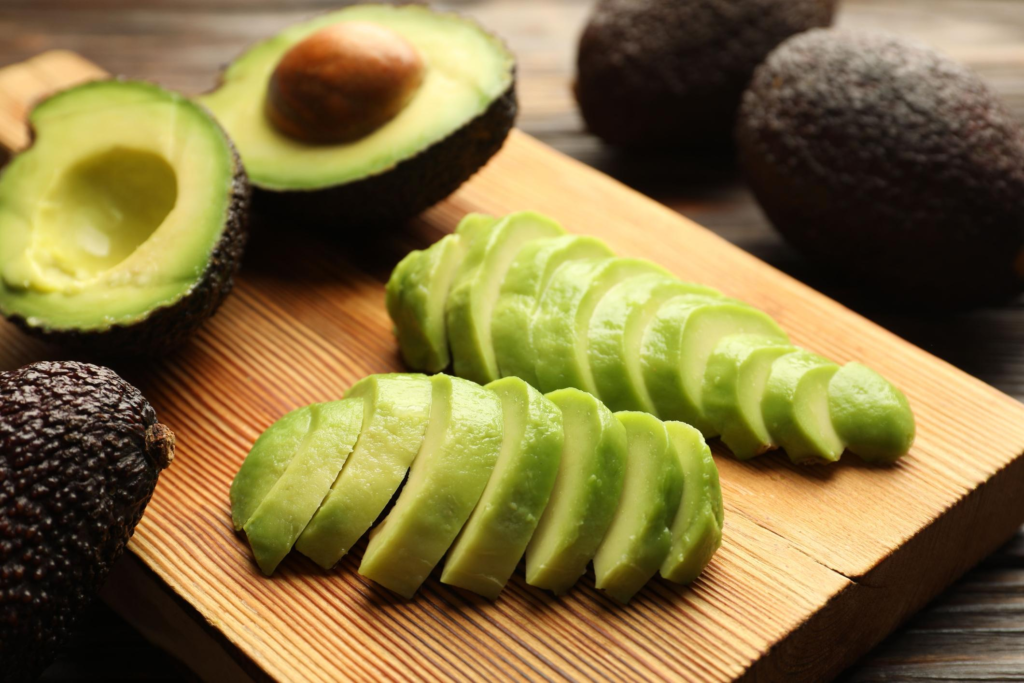
🥑 Avocado: A Source of Heart-Friendly Fats
Avocado is different from most commonly consumed fruits because it contains a relatively high amount of fat, primarily monounsaturated fatty acids.
These fats can support cardiovascular health when they replace saturated fats in the diet.
Important nutrients include:
- Monounsaturated fats: Support healthier blood cholesterol patterns.
- Dietary fibre: Helps regulate digestion and contributes to cholesterol management.
- Potassium: Helps maintain normal blood pressure.
- Vitamin E: Provides antioxidant protection.
- Folate: Supports normal cellular function.
Avocado is particularly useful as a replacement for butter, mayonnaise, and other foods high in saturated fats.
🥭 Mango: Antioxidants and Essential Vitamins
Mango provides a different nutritional profile. Its naturally occurring antioxidants, vitamins, and fibre contribute to overall health.
Its important nutrients include:
- Vitamin C: Supports immune function and protects cells from oxidative stress.
- Beta-carotene: A precursor of vitamin A that supports normal vision and cellular health.
- Dietary fibre: Supports digestive health.
- Polyphenols: Plant compounds that may help protect cells against oxidative damage.
- Potassium: Contributes to normal blood pressure regulation.
Although mango contains natural sugars, eating whole mango with its fibre is different from consuming mango juice or sugar-sweetened beverages.
❤️ Why Combining Both Fruits May Matter
The combination provides several nutrients that work through different biological pathways.
| Nutritional component | Potential contribution |
|---|---|
| Monounsaturated fats | Supports healthy cholesterol levels |
| Fibre | Supports cholesterol and blood sugar regulation |
| Vitamin C | Antioxidant protection |
| Potassium | Helps regulate blood pressure |
| Plant antioxidants | Helps protect cells from oxidative stress |
The researchers observed improvements in vascular function, but they did not establish exactly which nutrient or combination of nutrients caused those changes.
Understanding the Science: What Is Blood Vessel Function?
One of the most interesting findings concerns endothelial function.
The endothelium is a thin layer of cells lining the inside of blood vessels. It plays an important role in controlling blood circulation by regulating the widening and narrowing of arteries.
Healthy blood vessels can expand when the body needs increased blood flow.
When endothelial function becomes impaired, blood vessels may become less responsive. This dysfunction is associated with cardiovascular risk factors such as high blood pressure, insulin resistance, and diabetes.
Researchers measured this function using a technique called flow-mediated dilation (FMD).
FMD measures how much an artery expands following a temporary increase in blood flow. Higher values generally indicate better endothelial function.
In the avocado-mango study, participants consuming both fruits experienced an improvement in FMD, whereas the control group experienced a decline.
This finding is important because blood vessel health is an early indicator of cardiovascular wellness.
However, improved FMD does not automatically mean that someone will avoid heart disease or experience fewer heart attacks.
What Did the Eight-Week Study Actually Discover?

The research, conducted by scientists at the Illinois Institute of Technology, examined whether increasing fruit consumption through avocado and mango could improve cardiovascular and metabolic health.
The findings were published in the Journal of the American Heart Association in February 2026 and highlighted by ScienceDaily on November 3, 2026. ScienceDaily+1
Study design
| Research detail | Information |
|---|---|
| Participants | 82 adults |
| Age | 25–60 years |
| Health status | Prediabetes |
| Study duration | 8 weeks |
| Main intervention | 1 avocado + 1 cup mango daily |
| Comparison | Calorie-matched control diet |
| Research institution | Illinois Institute of Technology |
Participants followed either an avocado-mango diet or a comparison diet containing calorie-equivalent carbohydrate-based foods.
Major findings
1. Improved blood vessel function
The avocado-mango group experienced an approximately 1 percentage-point increase in flow-mediated dilation, while the control group experienced a decline.
The difference between the dietary interventions was statistically significant (P=0.008). This was the study’s primary finding. PubMed+1
2. Positive changes in blood pressure
Researchers also observed improvements in diastolic blood pressure, particularly among male participants.
The blood pressure findings were encouraging, although they should not be interpreted as proof that this fruit combination can treat hypertension.
3. Increased fibre and vitamin C intake
Participants consuming avocado and mango increased their intake of dietary fibre, vitamin C, and monounsaturated fats.
These nutrients are important components of a heart-supportive eating pattern.
4. No significant weight gain
Despite adding these fruits to their daily meals, participants did not experience significant changes in body weight or overall calorie intake.
5. No major improvements in every health marker
Importantly, the study did not find significant differences between the groups in several other outcomes, including blood sugar, inflammatory markers, and most lipid measurements. PubMed+1
Can People With Prediabetes Benefit From Eating These Fruits?
Prediabetes occurs when blood glucose levels are higher than normal but not yet high enough to meet the diagnostic criteria for type 2 diabetes.
It is an important health condition because it increases the risk of developing diabetes and cardiovascular complications.
People with prediabetes are generally encouraged to follow a balanced dietary pattern that includes vegetables, whole fruits, whole grains, legumes, nuts, and healthy fats.
Avocado and mango may fit into this approach.
However, portion sizes matter.
Mango contains naturally occurring carbohydrates and sugars, so people monitoring their blood glucose should consider their overall carbohydrate intake.
Combining mango with fibre-rich or protein-containing foods may also help create a more balanced meal.
Avocado can contribute healthy fats and fibre, but it is energy-dense. Portion sizes should reflect individual nutritional requirements.
An important distinction: The research does not establish that everyone with prediabetes should eat exactly one avocado and one cup of mango daily. It investigated a particular dietary intervention in a specific group of participants.
How to Include Avocado and Mango in Everyday Meals
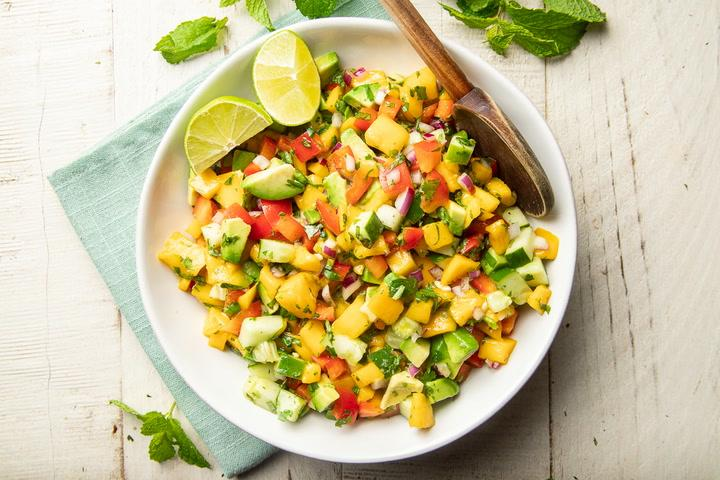
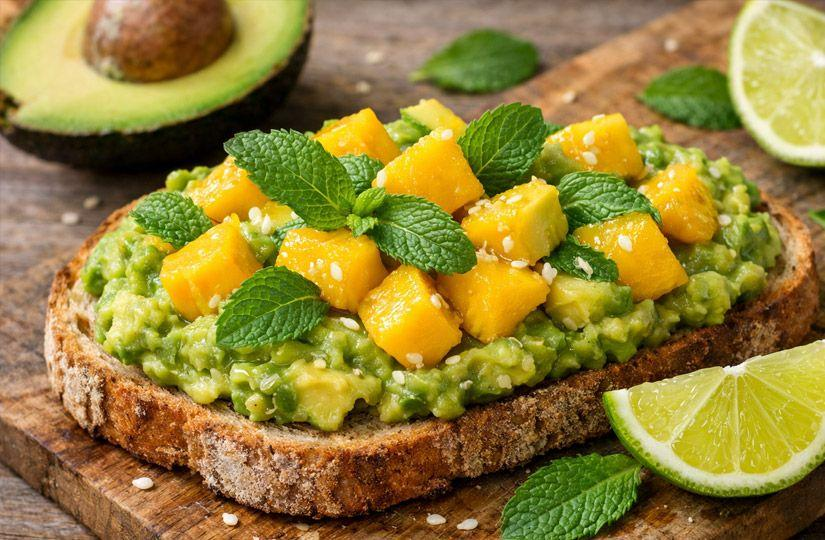
You do not need complicated recipes to enjoy these fruits.
Here are some practical ways to combine them.
🥗 Mango and Avocado Salad
Combine fresh mango cubes, sliced avocado, cucumber, tomato, coriander leaves, and lemon juice.
This makes a refreshing meal accompaniment containing fibre, vitamins, and healthy fats.
🥑 Avocado Whole-Grain Toast
Spread mashed avocado over whole-grain toast and add a few mango slices.
This combination provides fibre, carbohydrates, and unsaturated fats.
🥭 Mango and Avocado Breakfast Bowl
Combine small portions of mango and avocado with plain unsweetened yoghurt, nuts, and seeds.
This provides a variety of nutrients and makes a convenient breakfast.
🥤 Mango and Avocado Smoothie
Blend fresh mango, a small portion of avocado, plain yoghurt, and water or unsweetened milk.
Avoid adding sugar, honey, or sweetened syrups unnecessarily. Eating whole fruit is also a good option because it retains its natural fibre structure.
Does Eating Mango Every Day Increase Blood Sugar?
This is an important question, particularly for people with prediabetes.
Mango contains natural sugars, which contribute to its carbohydrate content. However, it also provides fibre, vitamins, and other beneficial plant compounds.
Eating a moderate portion of whole mango can be part of a healthy dietary pattern for many people.
The important considerations are:
- Choose whole mango rather than sweetened mango drinks.
- Pay attention to portion sizes.
- Avoid adding extra sugar to smoothies.
- Combine fruit with balanced meals.
- Monitor individual blood glucose responses when medically advised.
People with diabetes or prediabetes should follow dietary recommendations from their healthcare professionals.
What Are the Limitations of This Research?
Although the findings are promising, several limitations should be considered before making strong health claims.
Short study duration: Eight weeks is not sufficient to establish whether the cardiovascular benefits continue over several years.
Limited participant population: The research involved 82 adults with prediabetes. The findings cannot automatically be applied to children, healthy young adults, or people with established cardiovascular disease.
Specific dietary intervention: Researchers examined a combination of avocado and mango. The study cannot determine whether avocado alone, mango alone, or another combination would produce similar results.
Surrogate health measurements: FMD and blood pressure are useful cardiovascular indicators, but the research did not measure whether participants experienced fewer heart attacks, strokes, or other major cardiovascular events.
Funding considerations: The study received unrestricted funding from the National Mango Board and Hass Avocado Board. The research report states that these organizations had no role in study design or the findings. The funding relationship is nevertheless worth considering when interpreting nutrition research. PubMed+1
Future studies involving larger populations and longer follow-up periods are needed.
Practical Recommendations for Better Heart Health
Eating avocado and mango can be one part of a heart-conscious lifestyle, but no single food can independently protect the cardiovascular system.
Consider these additional habits:
- Eat more vegetables: Include leafy greens, carrots, tomatoes, and other colourful vegetables.
- Choose whole fruits: Prefer fresh fruits over fruit juices and sweetened beverages.
- Include healthy fats: Eat nuts, seeds, and appropriate amounts of avocado.
- Reduce excess salt: Limit highly processed and excessively salty foods.
- Exercise regularly: Walking, cycling, swimming, and other physical activities support cardiovascular fitness.
- Maintain healthy sleep habits: Consistent sleep supports metabolic and cardiovascular health.
- Monitor blood pressure and blood glucose: Regular health assessments can help identify potential problems early.
For Indian diets, mango can be included alongside foods such as dal, vegetables, whole-wheat roti, oats, and unsweetened yoghurt. Avocado can be used occasionally as an alternative to butter or mayonnaise.
The goal is not to depend on two particular fruits but to develop a balanced and sustainable eating pattern.
Conclusion: Can Avocado and Mango Improve Heart Health?
The eight-week study offers encouraging evidence that eating avocado and mango daily may improve blood vessel function in adults with prediabetes.
Researchers found improvements in flow-mediated dilation and encouraging changes in diastolic blood pressure, particularly among men. Participants also increased their intake of fibre, vitamin C, and monounsaturated fats without significant weight gain.
However, the results do not establish that this combination prevents heart attacks, cures prediabetes, or replaces medical treatment.
The most important takeaway is that food quality matters. Adding nutrient-rich whole fruits to a balanced diet may support cardiovascular health, especially when they replace less nutritious foods.
🥑🥭 A simple combination of avocado and mango may be a promising addition to a heart-healthy eating pattern, but long-term research is still needed.